


A cracked trailer crossmember, broken excavator bracket or damaged loader attachment can stop an otherwise capable machine in its tracks. On-site welding and fabrication repairs give operators a practical way to restore structural strength without waiting on transport, workshop bookings or replacement parts to arrive.
For transport, agriculture, mining and civil operations, the value is not simply getting metal joined again. The repair needs to suit the load, the material, the working conditions and the cause of the original failure. A quick weld that cracks under the next load cycle can create a bigger downtime event and a serious safety risk. The right field repair gets equipment working safely while giving the operator clear advice about any follow-up work required.
When On-Site Welding and Fabrication Repairs Make Sense
Mobile welding is often the best option when moving equipment is difficult, unsafe or more costly than repairing it where it stands. A disabled truck on a roadside, a header in a paddock, a forklift in a warehouse or an excavator on an active civil site may all be poor candidates for workshop transport.
On-site work is particularly useful for cracked chassis components, fractured mounts, worn attachment points, damaged guards, trailer body repairs, broken steps, handrails and equipment modifications. It can also be the practical answer when a fabricated replacement will take time to source but a repair can safely return the machine to service.
That does not mean every failure should be repaired in the field. The decision depends on where the damage is, what load the component carries and whether the material has fatigued beyond a sound repair. Critical structural sections, heavily distorted assemblies and components requiring specialised machining may need controlled workshop work or replacement. A dependable repairer will say so rather than weld over a problem that needs a different solution.
Repairing the Cause, Not Just the Crack
Metal generally cracks for a reason. It may be repeated vibration, an overloaded tray, loose mounting hardware, a seized pivot, poor alignment or a hydraulic issue placing force where it does not belong. If that cause is ignored, even quality welding can be short-lived.
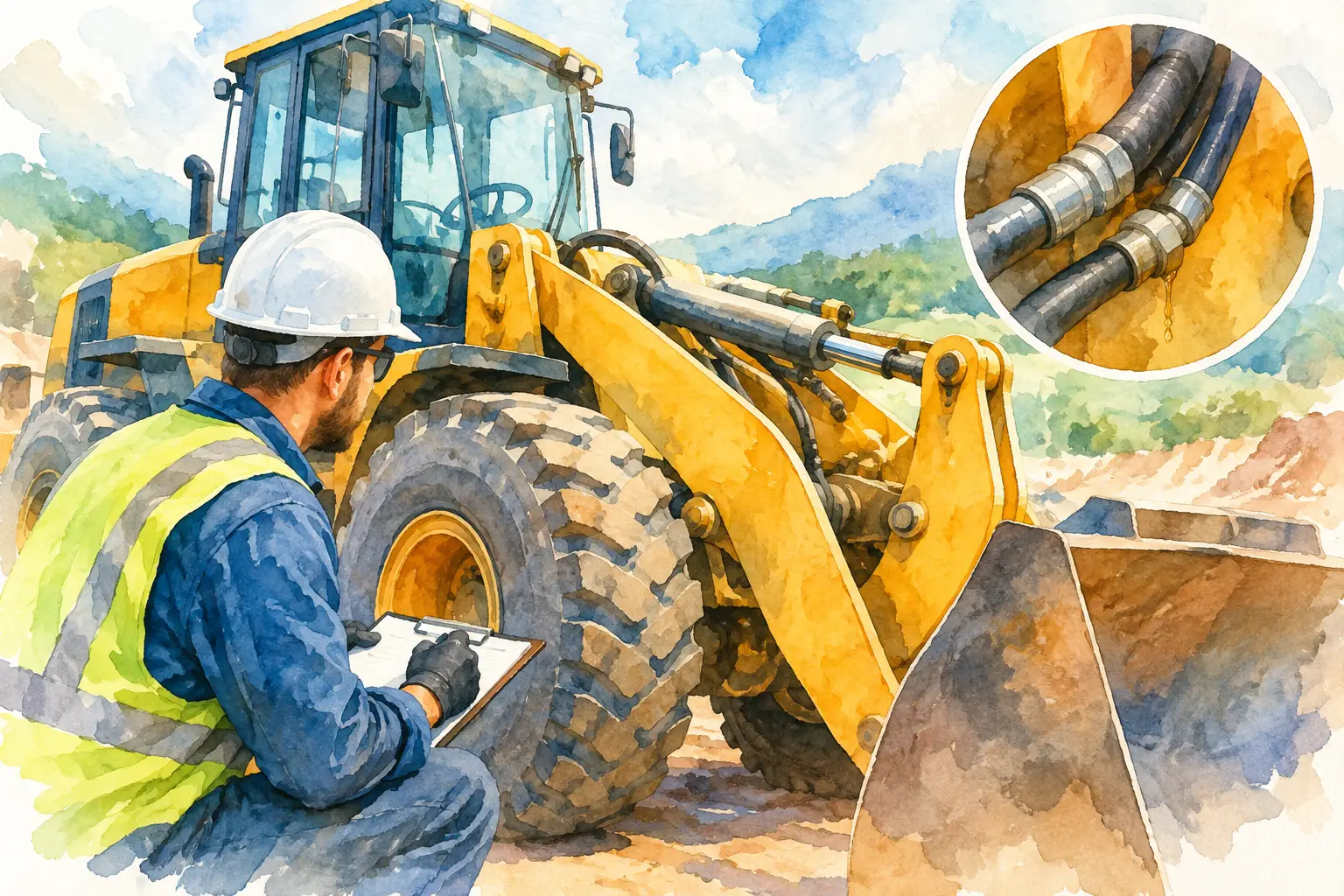
A proper assessment looks beyond the visible fracture. Nearby brackets, bushes, pins, fasteners and mounting points should be checked for movement or wear. On trailers and trucks, the condition of adjacent rails, crossmembers and suspension mounts matters. On agricultural and earthmoving machinery, the attachment, pivot area and hydraulic operation may all need attention before the machine goes back to work.
What Mobile Fabrication Can Restore
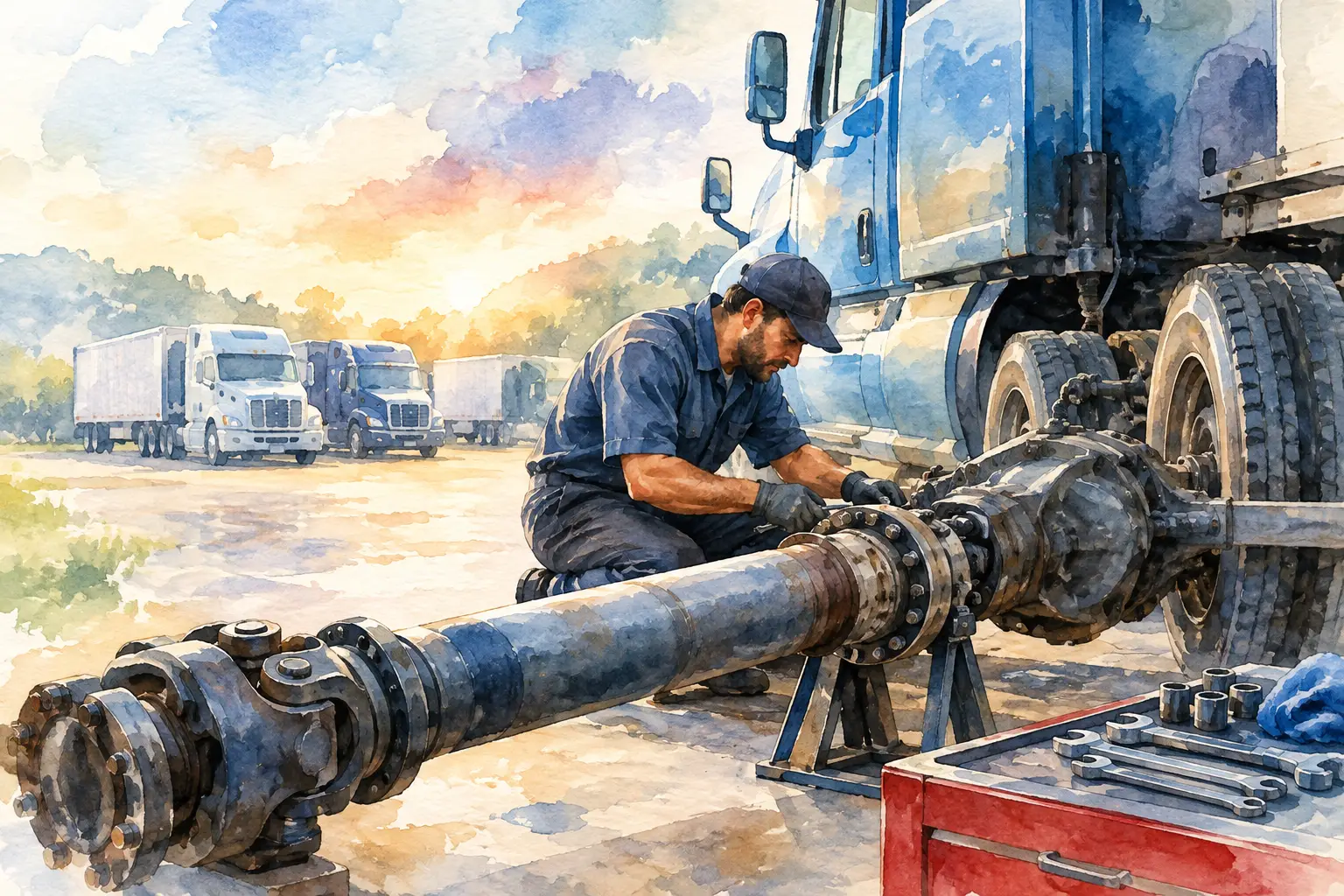
Fabrication is not limited to repairing a split section of steel. It is often the work that makes machinery more usable, safer or better suited to the job at hand. A field technician can measure, cut, form and fit practical components where the equipment is operating, reducing unnecessary time off site.
Common fabrication work includes rebuilding worn brackets, making replacement guards, repairing tray sides, strengthening mounting plates, replacing damaged steps and handrails, and modifying equipment supports. For fleet operators, it may involve small but valuable changes such as adding tie-down points, improving access around service areas or reinforcing a recurrent weak point after the underlying issue has been addressed.
The material and application matter. Mild steel, wear plate, aluminium and stainless steel each require different preparation and welding approaches. Thickness, access, weather exposure and the direction of load also affect how a repair is planned. There is no one-size-fits-all weld for heavy equipment.
The Work Starts Before the Arc
A sound repair begins with preparation. The damaged area must be cleaned so cracks, corrosion, previous repairs and the true extent of the failure can be seen. In many cases, the crack needs to be opened out and prepared before welding, rather than simply run over from the surface.
Fit-up is equally important. If parts are pulled together under tension or welded while out of alignment, the repair may introduce stress into the assembly. Where required, components are supported, positioned and reinforced to restore their intended shape and load path.
Safety Controls Are Part of the Repair
Field welding brings added hazards because the work is often being performed around fuel, hydraulic oil, electrical systems, dry grass, traffic or other plant. The repair area needs to be assessed before work begins. This may involve isolating batteries, protecting hoses and wiring, moving combustible material, controlling sparks and arranging a fire watch after hot work.
On a busy site, clear communication also matters. Plant movements, overhead work, forklift traffic and nearby personnel all need to be considered. Getting a machine repaired quickly is valuable, but never at the cost of a preventable incident.
Fast Turnaround Should Not Mean a Short-Term Fix
Downtime is expensive. A truck not delivering, a tractor missing a weather window or a loader parked during a production run has consequences beyond the immediate repair bill. That pressure can make a temporary patch look attractive.
Temporary repairs do have a place when equipment must be moved to a safe location or when a controlled short-term solution is appropriate. The key is being clear about what the repair can safely do and what needs to happen next. If a component needs replacement, reinforcement or workshop inspection, that should be communicated before it becomes another unexpected breakdown.
For many jobs, the strongest outcome is a staged approach: stabilise the issue on site, return the asset to limited or normal operation where safe, then schedule any larger rebuild during planned downtime. This protects production while avoiding the false economy of repeated emergency repairs.
Preparing for a Faster Field Repair
Good information before a technician arrives can save valuable time, particularly when equipment is isolated in a paddock, quarry or worksite. When reporting damage, provide the machine type and model, your exact location, clear photos from several angles, details of what occurred and whether the equipment can be moved safely.
It also helps to advise of site requirements such as inductions, access restrictions, traffic controls, permits and available power. If the machine has hydraulic or electrical damage near the repair area, mention it. A mobile repair provider can then arrive with the right equipment, materials and safety controls rather than losing time on a second trip.
Welding as Part of Complete Equipment Support
Fabrication repairs work best when they are connected to mechanical knowledge. A broken bracket on a truck may be linked to worn suspension components. A cracked implement frame may point to seized pivots or incorrect setup. A damaged hydraulic mount may have resulted from a hose failure, loose fitting or excessive vibration.
That is why a field-service provider capable of mechanical, hydraulic, electrical and fabrication work can reduce delays across mixed fleets. Instead of coordinating separate contractors for diagnosis, welding and follow-up repairs, operators can have the issue assessed as a whole. Agri Repairs applies this practical approach to equipment operating across demanding transport, agricultural, civil and industrial environments.
When a Workshop Repair Is the Better Call
Some repairs need the control of a workshop. Major chassis damage, significant structural distortion, extensive corrosion, precision alignment work and components requiring machining or heat treatment may not be suitable for field repair. The same applies where access prevents safe welding or site conditions cannot support hot work safely.
Making that call early protects the asset and the people working around it. It may involve more planning than an immediate field weld, but it can prevent a repeat failure, compliance concern or costly damage to connected components.
When steel fails in the middle of a working day, the priority is to make a safe, informed decision quickly. The best repair is the one that returns equipment to reliable service and gives the operator confidence to put it back to work.
 Location: Western Sydney and Hunter Valley, NSW