

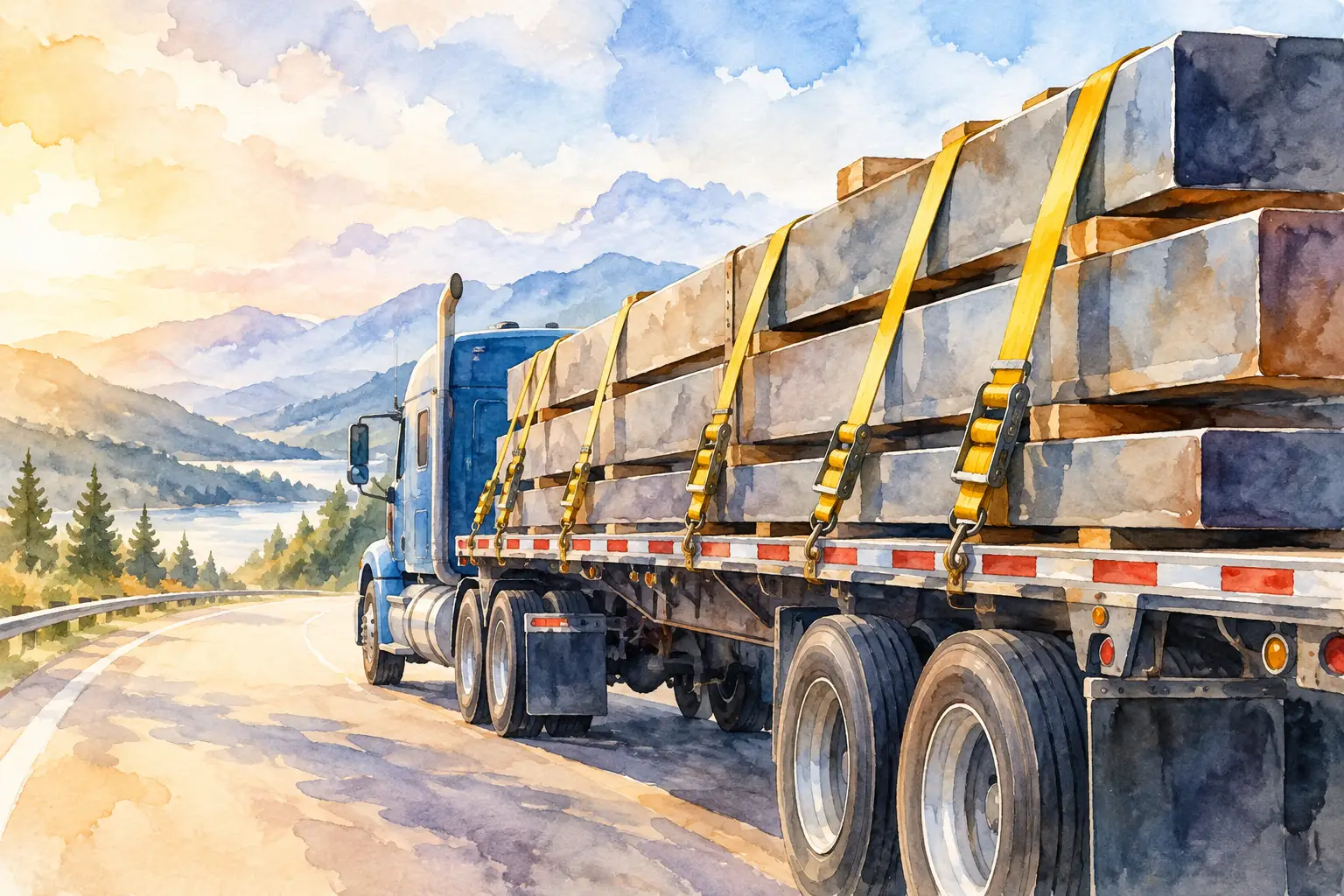
A load can look secure in the yard and still become dangerous after the first hard brake, steep access road or rough section of highway. For transport, agricultural, civil and mining operators, best practices for load restraint are not paperwork added at the gate. They are a practical part of keeping drivers, crews, equipment and the public safe while keeping Australia moving.
A shifted load can damage headboards, trailers, hydraulic lines and freight before it becomes visible from the mirror. It can also put a vehicle out of service at the worst possible time. The right restraint method starts before the truck is loaded and continues through every stop, inspection and change of route.
Why load restraint needs an operational approach
Load restraint is often reduced to a count of straps or chains. That is only one part of the job. A restraint system must control movement in every direction that matters: forward under braking, rearward under acceleration, sideways through corners, and upward over bumps or uneven ground.
The forces involved rise quickly with vehicle weight, road conditions and driving inputs. A pallet, implement, machine attachment or steel bundle does not need to fall from a trailer to create a serious problem. A small shift changes axle weights, affects steering and braking, and can make a combination unstable.
Australian operators also need to work to the applicable load restraint requirements, the National Heavy Vehicle Regulator guidance where relevant, and site-specific rules. The legal responsibility can extend beyond the driver. Consignors, loaders, schedulers, managers and maintenance providers all have a role in making sure the vehicle leaves with a safe, suitable load.
Best practices for load restraint start before loading
The first question is not, “How many chains do we have?” It is, “What is this load likely to do in transit?” Its mass, shape, centre of gravity, surface finish, packaging and points of contact all affect the answer.
A compact excavator attachment and a tall, light pallet load may weigh very differently, but both can shift if they are not restrained for their particular risk. Round items can roll. Smooth steel can slide. Loose material can settle. Machinery with suspension, wheels or articulated sections may move even when it appears firmly parked.
Match the vehicle and deck to the task
Use a vehicle, trailer and body that are suitable for the freight. Check the deck condition, load rating, anchor-point capacity, headboard condition and available restraint points before loading starts. A restraint is only as good as the structure it is attached to.
Load placement matters just as much. Keep weight within axle and gross mass limits, distribute it according to the manufacturer’s requirements, and keep the centre of gravity as low as practical. Avoid placing a heavy item on a weak section of deck or stacking incompatible freight simply because there is room.
On farm tracks, quarry roads and worksites, allow for extra movement. A setup that is adequate for a short sealed-road run may not be adequate for corrugations, potholes, cross-falls and repeated low-speed turns. It depends on the route, the load and the vehicle, but rough conditions call for a more conservative restraint plan.
Use restraint equipment that suits the load
Webbing straps, chains, binders, rated ropes, nets, gates, blocking and bracing each have a place. They are not interchangeable. Select equipment with adequate lashing capacity and use it as intended by the manufacturer.
Direct restraint uses chains, straps or other devices to stop movement. Tie-down restraint applies force over the load to increase friction. In many cases, particularly with machinery or heavy fabricated items, a combination of direct restraint and effective blocking provides a stronger result than relying on friction alone.
Do not assume a tensioned strap is doing useful work. If it bears over a sharp edge, runs across an unstable load, has a poor angle or is connected to an unsuitable point, it may be damaged or ineffective when the vehicle has to brake hard. Edge protection helps protect both the webbing and the freight, but it does not compensate for a poor restraint layout.
Inspect straps, chains and anchor points every time
Restraint gear works hard in the same conditions as the truck and trailer. Mud, water, sun, vibration, hydraulic oil, sharp edges and hurried handling all shorten its service life. A quick visual inspection before loading and at practical intervals on the road is time well spent.
Remove damaged equipment from service. Look for cuts, frayed webbing, burns, stretched sections, distorted chain links, cracked welds, bent hooks, damaged ratchets and unreadable ratings. Also inspect the trailer: loose or corroded anchor points, cracked deck sections and damaged rub rails can turn otherwise serviceable gear into a weak link.
For fleets operating across mixed work, keep restraint equipment organised and protected when not in use. Straps left exposed on a tray collect grit and UV damage. Chains dragged across a hardstand or stored in water can wear and corrode faster than expected. Recording inspections and replacements gives supervisors a clearer picture of what is on each vehicle and what needs attention.
Secure machinery for transport, not just parking
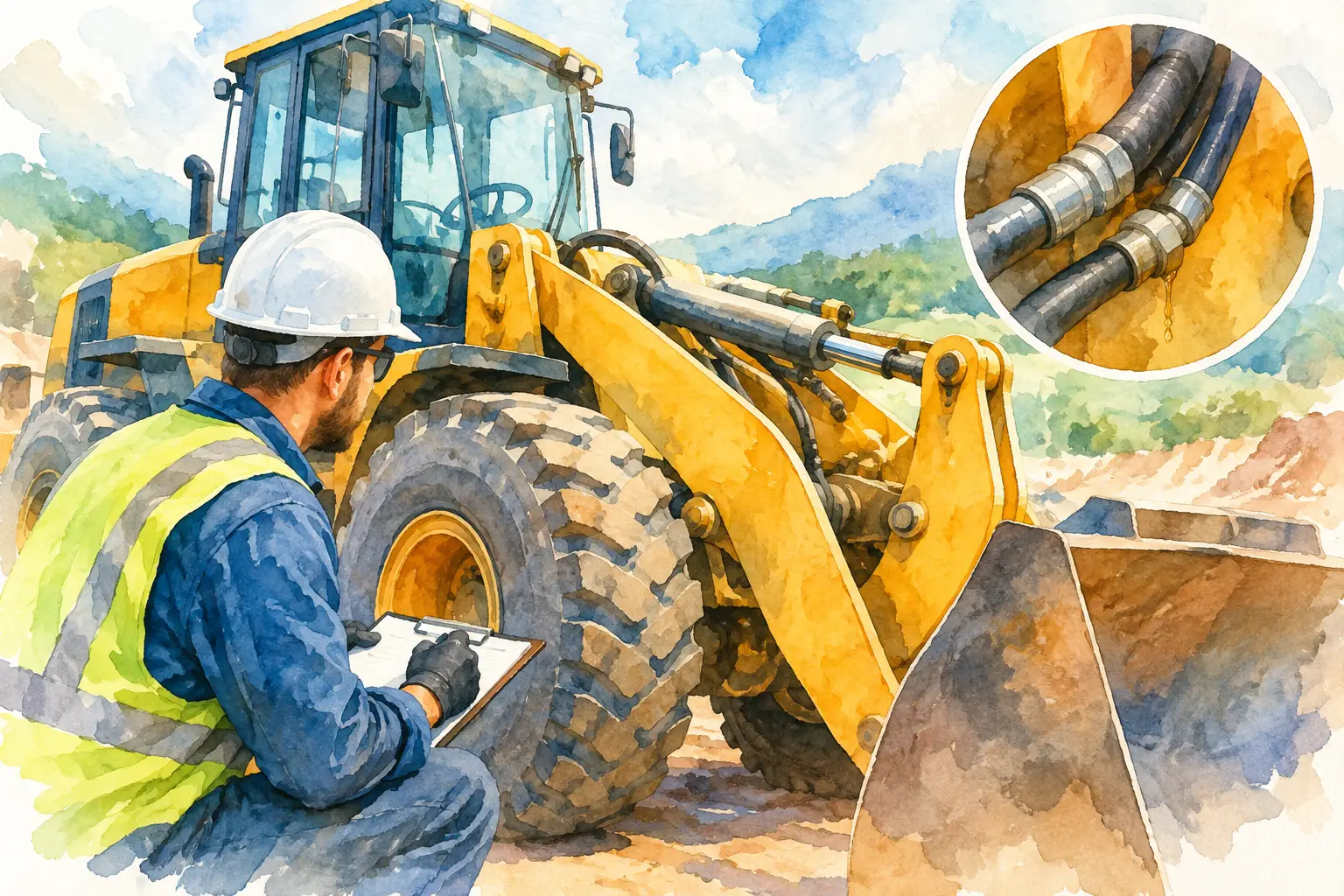
Plant and agricultural machinery need more than a handbrake and a few chains. Lower booms, buckets and implements where practical, isolate movable attachments, engage transport locks, and follow the manufacturer’s transport instructions. Wheel chocks, blocking and suitable tie-down points can be critical where tyres, tracks or suspension allow movement.
Check the load after it has settled. An excavator, forklift, tractor or skid steer may compress suspension, shift against blocking or relax a strap after the vehicle moves off. The first safe stop is the time to recheck tension, locking devices and load position.
This principle applies to smaller items too. Toolboxes, fuel drums, ramps, spare tyres and loose attachments can become projectiles if they are only tucked beside the main load. Secure all ancillary gear separately or contain it in a purpose-built compartment.
Make restraint checks part of the journey
The driver should know what has been loaded, where the critical restraints are and what signs of movement to look for. A clear handover is particularly useful when a different person loads the vehicle, when freight is collected from multiple locations, or when the job changes partway through the day.
At planned stops, check that straps remain tensioned, chains and binders are locked, blocks have not moved, and no freight is leaning or rubbing. Review the load after heavy braking, severe bumps, a detour over rough ground or any incident that could have introduced movement.
A practical pre-departure check should cover:
- the load weight, dimensions and position on the vehicle
- restraint type, rating, attachment points and protection from edges
- the condition of straps, chains, binders, anchor points and deck
- machine transport locks, chocks and loose accessories
- clearance, axle loading and the likely route conditions.
The value of a repeatable check is consistency. It prevents a rushed departure from becoming an expensive roadside repair, a damaged delivery or a serious injury.
Keep equipment maintenance connected to restraint safety
Load restraint is not separate from fleet maintenance. Worn trailer decks, damaged tie rails, bent ramps, poor lighting and brake issues all increase risk when a vehicle is carrying a heavy or awkward load. A trailer that has suffered a load shift should be inspected properly before it returns to work, even if the damage looks minor.
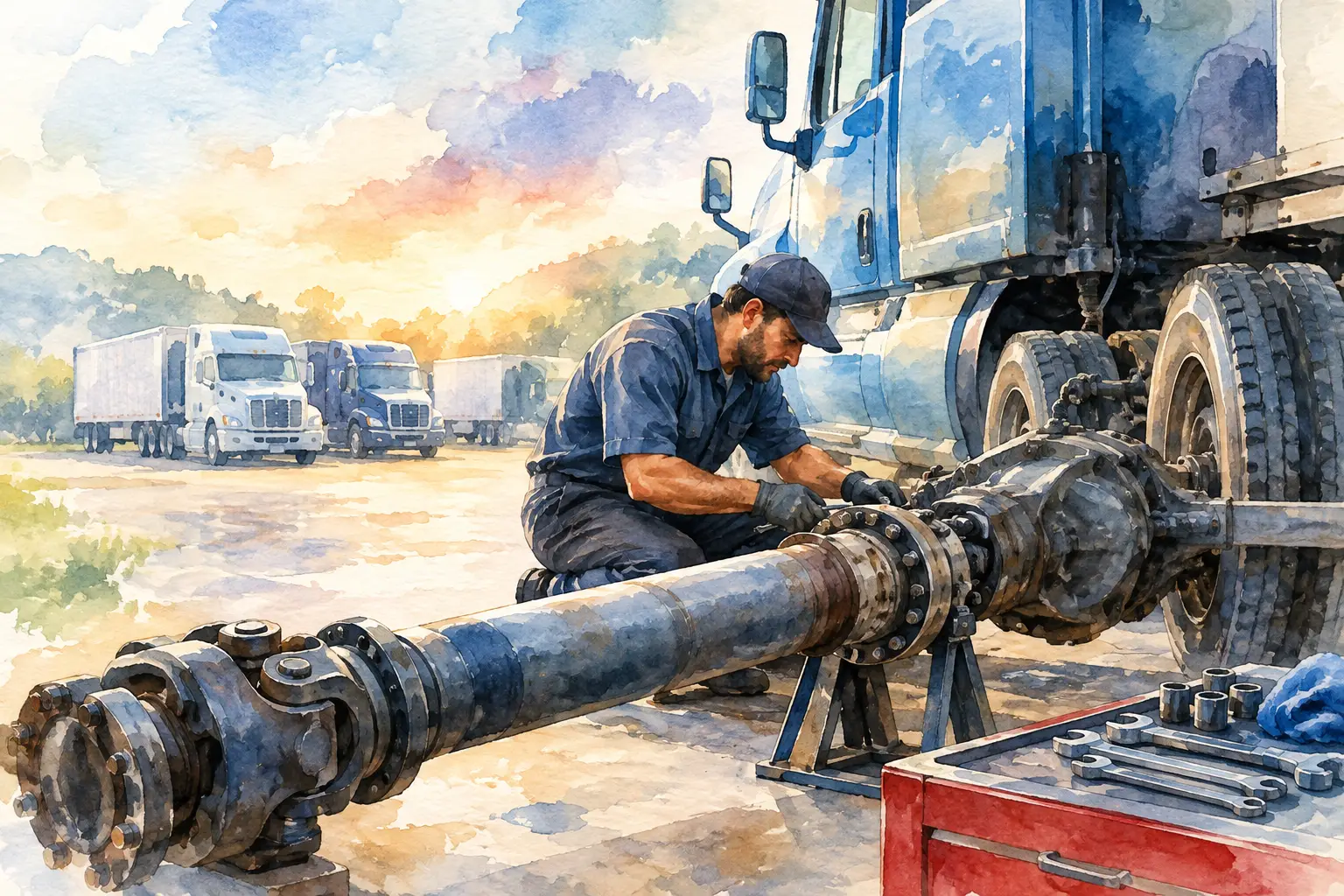
Field repairs can also reveal underlying restraint issues. At Agri Repairs, mobile work on trucks, trailers and plant often shows how quickly a loose attachment, fatigued anchor point or damaged deck can turn into downtime. Addressing those faults during scheduled maintenance is generally faster and safer than waiting for a breakdown on the roadside or at a worksite.
Train drivers and loading crews to report defects early, then give them a straightforward process for isolating unsafe gear. Replacing one suspect strap or repairing one anchor point is far cheaper than recovering a damaged truck and trailer combination.
Before the next vehicle rolls out, take the extra few minutes to assess the load, choose the right restraint method and inspect the hardware. It is a small operational discipline that protects people, freight and the uptime your business depends on.
 Location: Western Sydney and Hunter Valley, NSW