

A DPF warning light on a working truck, tractor or loader is not a minor inconvenience. Left unresolved, it can cut power, increase fuel use, force derating and put a machine out of service at exactly the wrong time. DPF cleaning versus replacement is therefore not simply a parts-cost decision. The right call depends on why the filter is loaded, its condition and what will stop the same fault returning.
For fleets that rely on every vehicle and machine to earn, a proper diagnosis is usually cheaper than guessing. Replacing a filter that could be professionally cleaned wastes money. Cleaning a filter that is cracked, melted or contaminated can waste even more time.
What the DPF is actually dealing with
The diesel particulate filter captures soot from the exhaust before it leaves the machine. Under the right operating conditions, the engine burns that soot away through passive or active regeneration. But soot is only part of the picture.
Ash remains in the filter over time. It comes mainly from engine-oil additives and cannot be removed by a normal regeneration. A DPF also collects contaminants when there is an underlying engine, fuel or exhaust-system fault. Short runs, long idling periods, stop-start work, low exhaust temperatures and interrupted regenerations all make loading more likely.
This matters on mixed fleets. A line-haul prime mover may regenerate readily on the road, while a forklift, telehandler, tractor or site truck can spend much of its life at low load and low temperature. The same warning code does not always mean the same repair.
DPF cleaning versus replacement: start with diagnosis
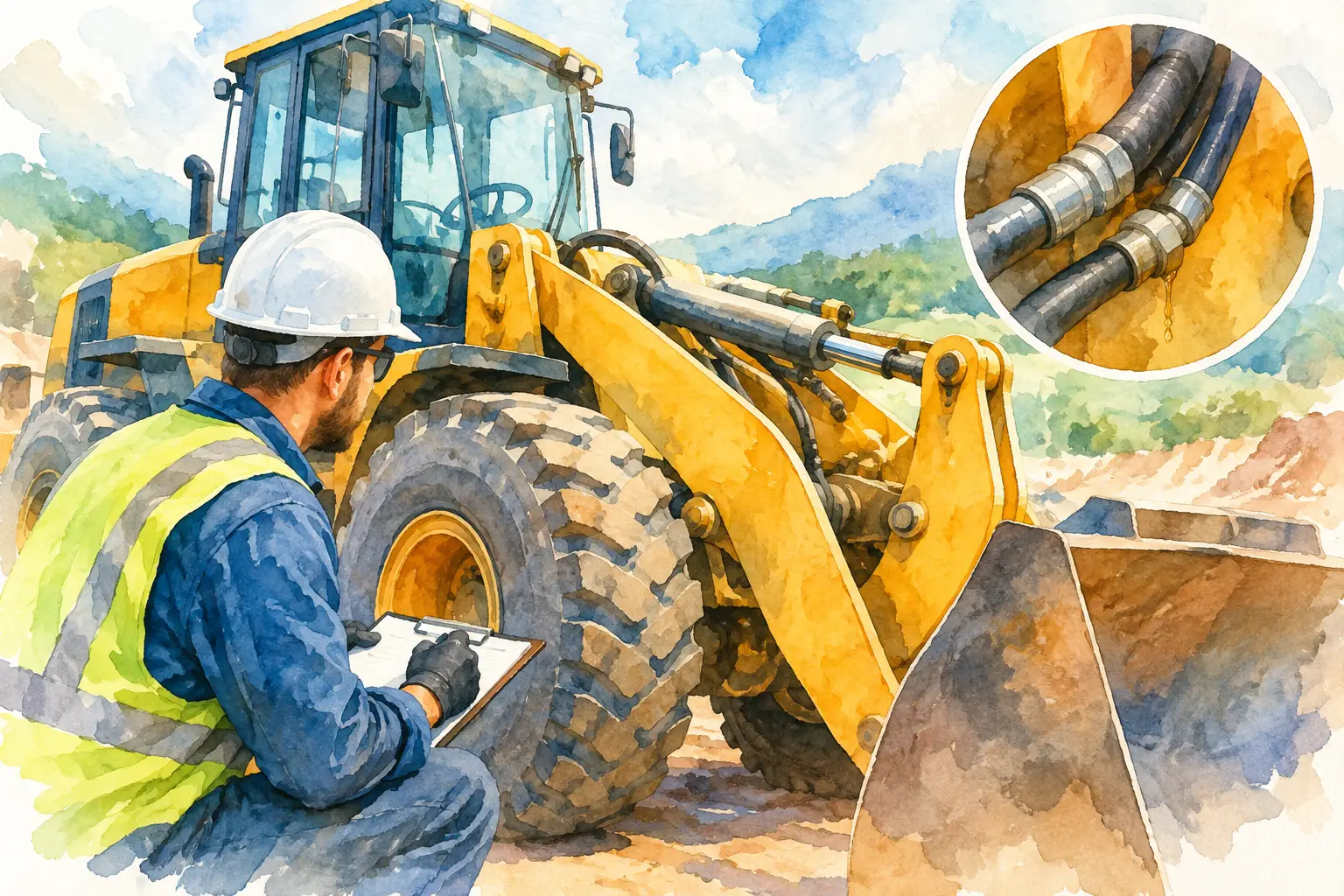
Before deciding between cleaning and replacement, the technician needs to establish whether the DPF itself is serviceable and why it loaded up. This should include fault-code scanning, differential-pressure readings, inspection of exhaust sensors and pipework, and checks for engine faults that create excess soot.
A high differential-pressure reading can be caused by a blocked filter, but it can also point to a failed pressure sensor, split hose, damaged temperature sensor or exhaust leak. Likewise, frequent regeneration can be a symptom of injector issues, turbocharger faults, EGR problems, air-intake restrictions or oil consumption.
If the cause is not corrected, a cleaned or new DPF can load up again quickly. That means another breakdown, another recovery or another interrupted shift. For a business focused on uptime, that is the real cost to avoid.
When cleaning is the sensible option
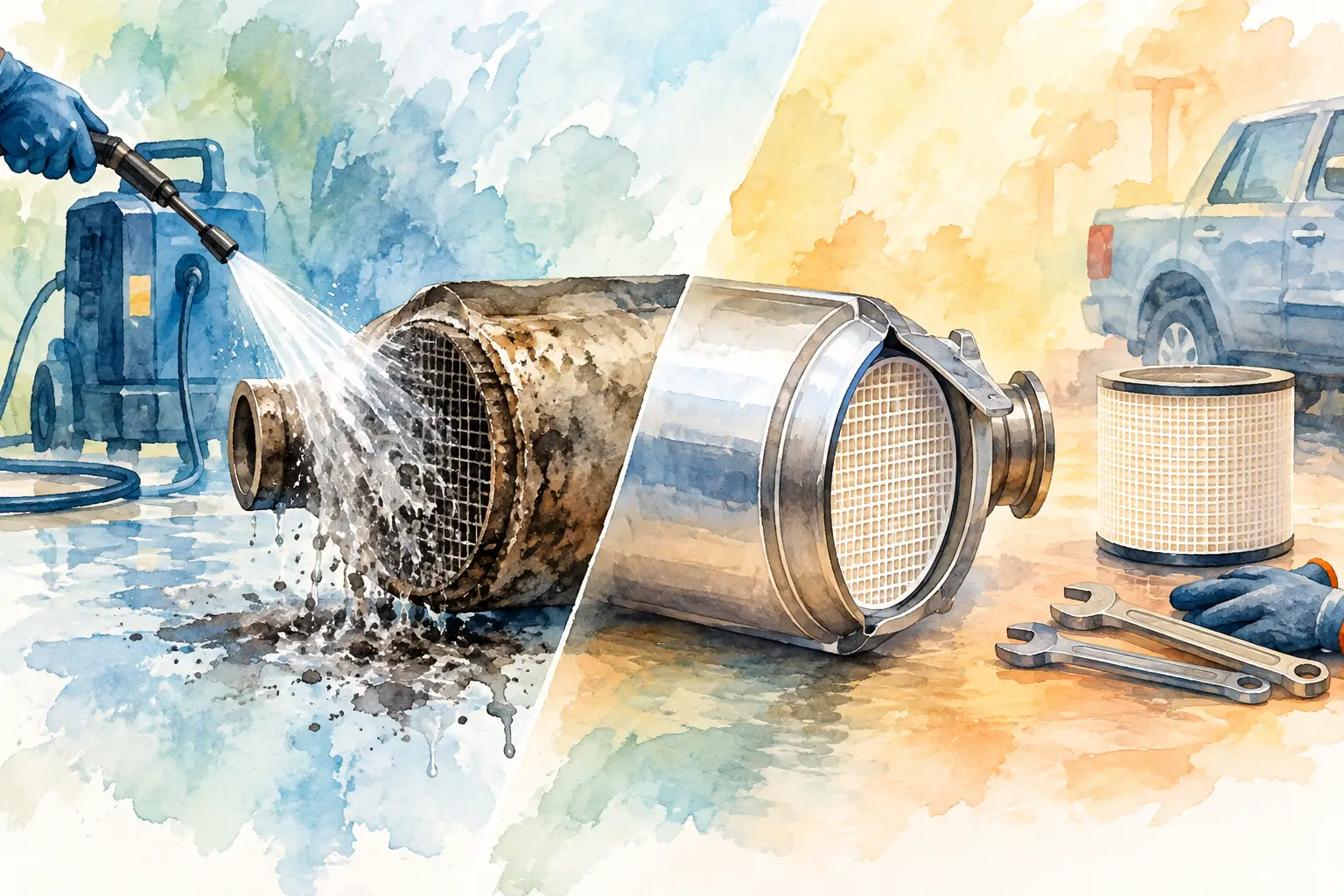
Professional DPF cleaning is often the practical choice where the filter housing and core are intact, and the restriction is caused by soot and accumulated ash. A proper off-vehicle cleaning process removes the filter, tests its flow, cleans it using suitable equipment, and confirms the result before refitting.
Cleaning can restore exhaust flow at a fraction of the cost of a replacement unit. It can be particularly worthwhile for equipment with known service history where the engine is otherwise operating correctly. It also avoids replacing a serviceable component simply because a warning light appeared.
The key word is professional. A forced regeneration may reduce soot loading, but it will not remove ash. It is also not appropriate for every level of restriction. When a filter is heavily blocked, attempting regeneration without understanding the condition can create excessive exhaust temperatures and damage the DPF or surrounding components.
Chemical additives and quick fixes should be treated carefully. Some may offer limited assistance in specific situations, but they are not a substitute for physical ash removal or fault diagnosis. A machine that repeatedly asks for regeneration needs investigation, not another bottle of additive.
When replacement is the better investment
Replacement is the right path when the DPF is physically damaged or cannot meet acceptable flow after cleaning. Cracked substrates, melted cores, collapsed channels and severe contamination cannot be reliably repaired by washing. In those cases, fitting a new, suitable-quality DPF protects the engine and exhaust after-treatment system from further problems.
Replacement may also be more economical where repeated cleaning is becoming a pattern. If a filter loads prematurely because the machine has a persistent mechanical issue, repair that issue first. If the filter has reached the end of its service life after high hours or kilometres, a replacement can be the more dependable option.
Quality matters. A poorly matched aftermarket filter may create fitment issues, incorrect backpressure or reduced durability. For commercial equipment, the initial saving can disappear quickly if the part does not perform under heat, vibration and sustained work. The replacement unit should suit the exact engine and emissions system, and the vehicle should be reset and tested correctly after installation.
The cost comparison is bigger than the invoice
Cleaning generally has a lower direct cost than replacement, but the cheapest initial option is not always the best commercial outcome. Consider labour to remove and refit the DPF, machine downtime, access to specialist cleaning, the availability of replacement parts and the risk of recurrence.
For example, cleaning may be the clear choice for a truck with a sound engine, a serviceable filter and ash accumulation consistent with its kilometres. By contrast, a loader that is derating repeatedly, using oil and showing boost-related faults needs broader repair work. Cleaning its DPF alone might get it moving briefly, but it will not deliver reliable availability.
There is also a compliance and safety issue. Removing, hollowing out or bypassing a DPF is not a legitimate repair. It can expose operators and businesses to emissions non-compliance, insurance and warranty concerns, and unnecessary risk. The correct repair keeps the equipment working as intended.
Preventing the next DPF outage
A DPF should be managed as part of scheduled maintenance, not only when the dash warning appears. Record regeneration frequency, check fault history during servicing and respond early to changes in fuel use, power or exhaust warnings. Operators should also know when a regeneration is underway and, where safe and practical, allow it to complete.
Good preventative maintenance includes using the correct low-ash engine oil, maintaining air and fuel systems, checking EGR and turbocharger performance, and repairing exhaust leaks promptly. Equipment that spends long periods idling or doing light-duty work may need planned operating time at suitable load, depending on the manufacturer’s requirements.
For fleet managers, it is worth tracking DPF work by asset. One isolated blockage may be normal service life. Several DPF events across the same machine, or the same duty cycle, is useful evidence that a maintenance or operating issue needs attention.
Making the call under pressure
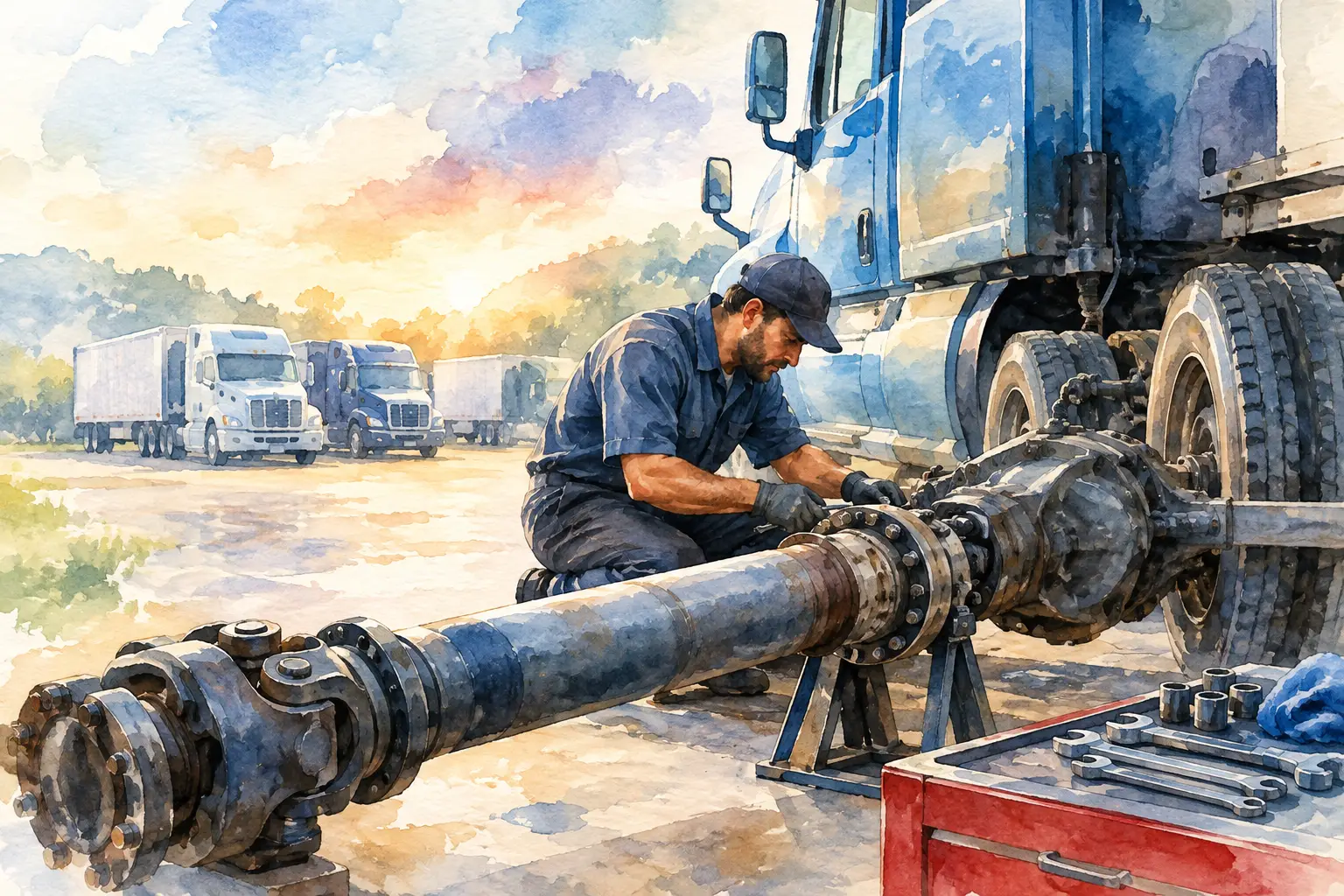
When a DPF fault takes equipment out of service, the immediate goal is to return it to work safely without creating a repeat failure. That calls for clear fault finding, not a one-size-fits-all answer. Mobile diagnostics can identify whether the issue is sensor-related, suitable for regeneration, requires off-vehicle cleaning or points to a replacement and wider engine repair.
Agri Repairs supports diesel fleets across Western Sydney with practical diagnostics and workshop-quality mechanical repairs in the field where possible. For trucks, agricultural equipment and site machinery, that means less time spent moving disabled assets and more time focused on the repair that protects uptime.
If a DPF warning is becoming a regular part of the shift, treat it as an early warning from the whole system. Addressing the cause while the machine is still mobile is usually the best way to keep Australia moving.

 Location: Western Sydney and Hunter Valley, NSW