


A loaded truck stopped on the roadside, a tractor down in the middle of a harvest run, or a forklift stranded at the loading bay creates the same immediate question: can it be fixed where it sits, or does it need to be moved? In the decision between field repairs vs towing, the cheapest-looking option is not always the one that gets your operation moving fastest.
For fleet managers, farmers, contractors and owner-operators, every hour of downtime can mean missed deliveries, idle crews, delayed plant and lost production. The right response comes down to safety, fault severity, site conditions and whether a mobile technician can complete a reliable repair on site.
Field Repairs vs Towing: Start With Safety
Safety is the first test, before cost, convenience or schedule pressure. A vehicle or machine with unstable loads, severe collision damage, compromised steering or brakes, a fuel leak, fire damage or a damaged chassis should not be patched up and sent back to work. It needs to be made safe, assessed properly and, where required, recovered.
The same applies to a breakdown location. A truck stopped in a live traffic lane, plant sitting on an unstable batter, or equipment broken down near overhead services may require recovery support before repairs can even begin. Site controls, traffic management and isolation procedures must be in place before anyone starts work.
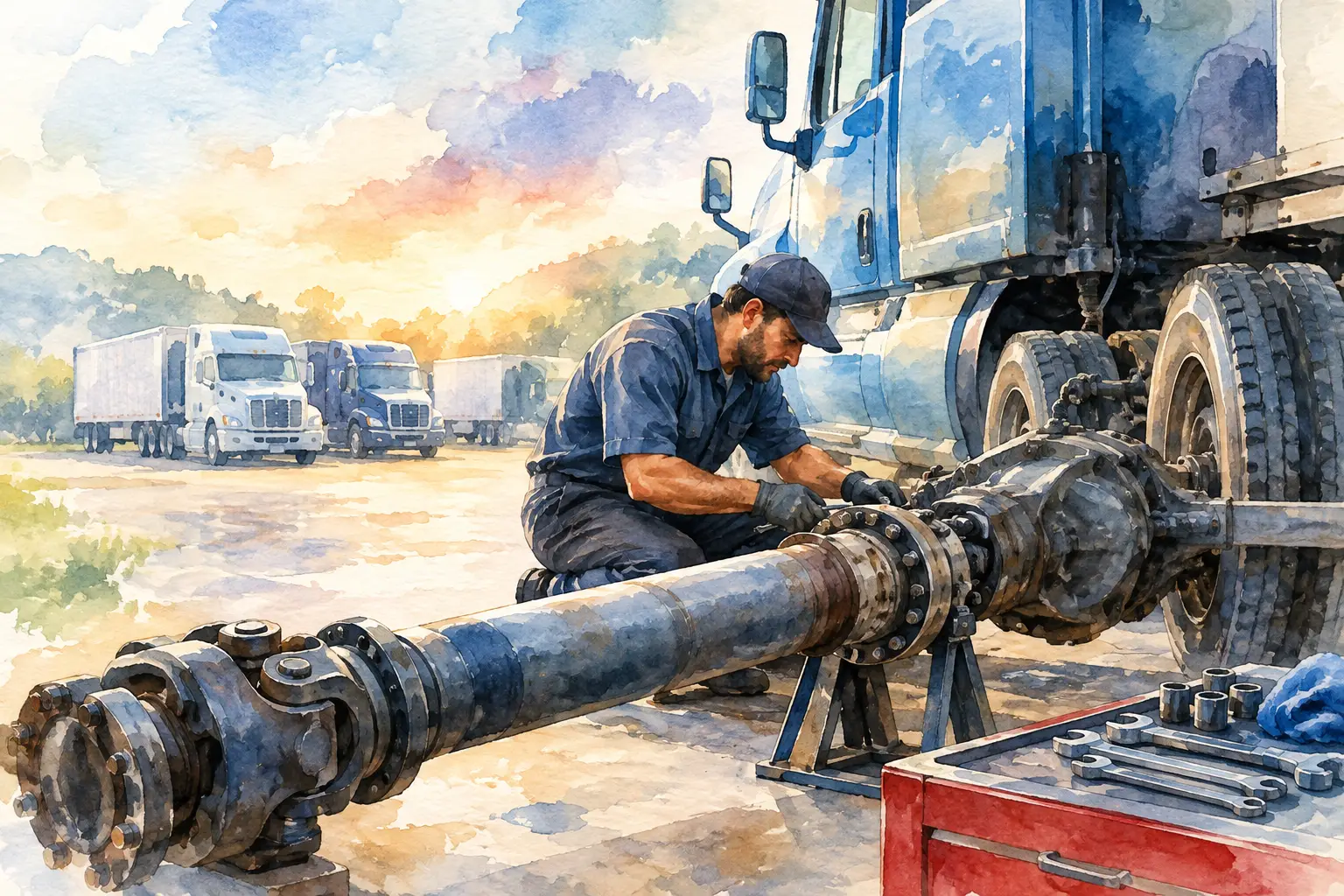
Where the machine is safely positioned and the fault can be repaired without compromising reliability, field service is often the quickest path back to operation. A properly equipped mobile diesel technician can diagnose mechanical, hydraulic and electrical faults, replace failed components, carry out fabrication work where appropriate and test the equipment before release.
When a Field Repair Is the Better Operational Choice
Mobile repair makes the most sense when transporting the asset would add significant delay, cost or disruption. This is particularly common with agricultural machinery, excavators, loaders, forklifts, trailers and heavy trucks that are expensive or difficult to move.
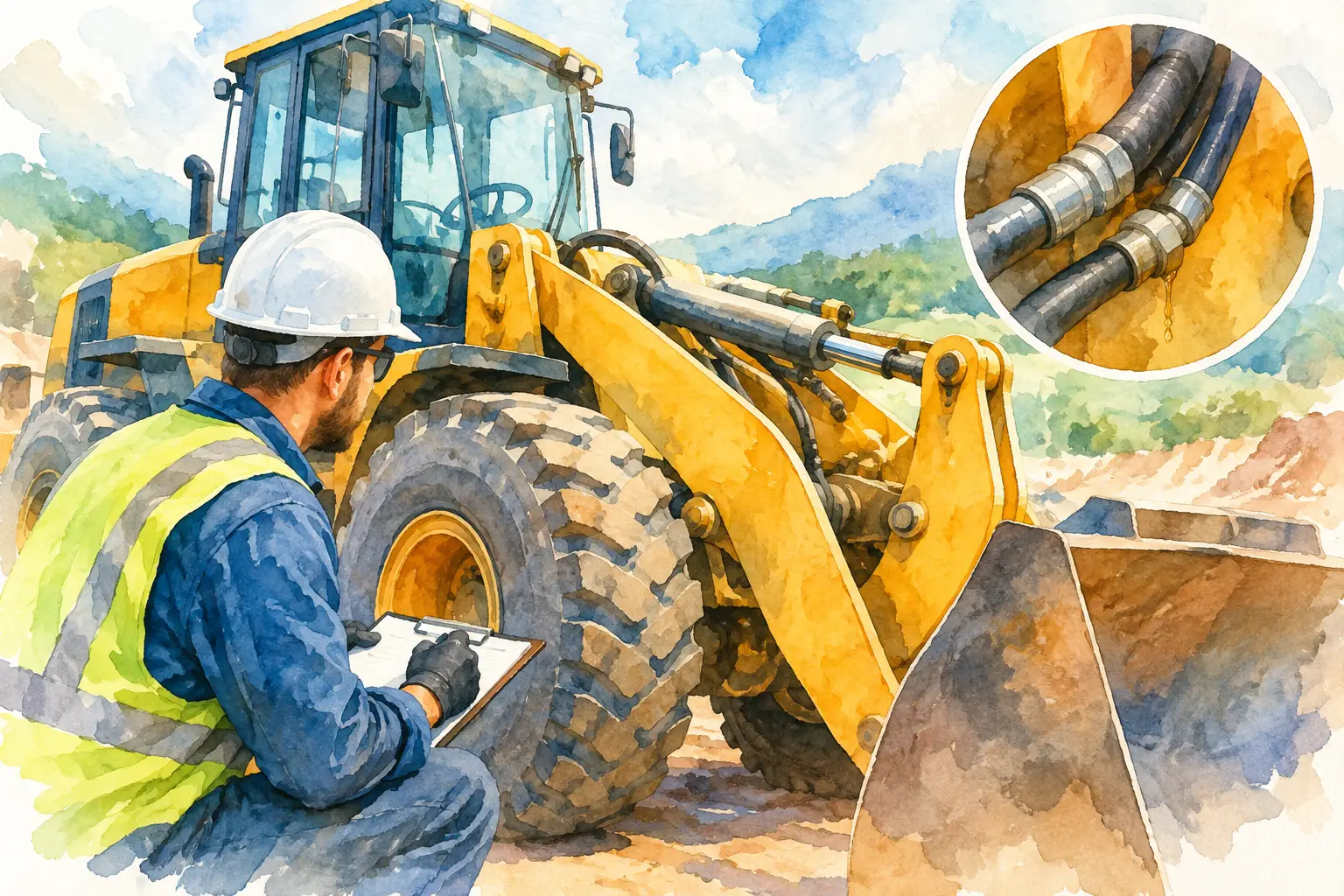
A field repair is usually a strong option when the fault is contained and accessible. Examples include a failed starter motor, alternator issue, damaged hose, hydraulic leak, wiring fault, flat battery, cooling-system problem, air leak, sensor fault or a component that can be replaced safely on site. Advanced diagnostics can identify many engine-management and electrical issues without first taking the machine to a workshop.
For a machine working in a paddock or remote work area, towing may involve a float, permits, escort requirements, loading time and a long wait for transport. In those cases, sending a technician with the right diagnostic equipment, tools and common parts can save a full day or more.
Field service also reduces handling risk. Every time a disabled machine is loaded, secured, transported and unloaded, there is potential for further damage or safety complications. If the repair can be completed to workshop-quality standards on site, avoiding that movement is a practical advantage.
The value of repairing at the point of failure
The real benefit is not simply avoiding a tow bill. It is shortening the total downtime clock. Recovery, transport, workshop intake, diagnosis, repair, testing and return transport can turn a straightforward fault into a multi-day outage.
For a transport operator, that can leave a driver and trailer unavailable. For a civil crew, it can hold up operators, subcontractors and scheduled pours. On a farm, it can disrupt a narrow harvest or planting window. Mobile repairs are designed to deal with the fault where the work is happening, so the equipment can return to service with less interruption.
When Towing to a Workshop Is the Right Call
Not every breakdown belongs in the field. Major repairs need controlled conditions, specialist lifting equipment, extensive parts access and enough time for thorough inspection and testing. Choosing towing in these circumstances protects the asset and reduces the chance of a temporary repair becoming a more expensive failure.
Engine rebuilds, major transmission work, internal differential faults, extensive chassis repairs and serious collision damage are common examples. A machine with metal contamination in the oil, a suspected seized engine or a failed hydraulic pump that may have contaminated the entire system needs more than a quick component change beside the road or at the job site.
Workshop repairs are also the sensible option when the required work cannot be completed cleanly or safely in the field. Hydraulic systems, for example, are highly vulnerable to contamination. If lines, pumps or valves need major replacement, a clean environment and correct flushing process may be essential to prevent repeat failures.
A workshop may also be required where compliance inspections, detailed measurements, machining, welding procedures or controlled load testing are needed. The goal is not to avoid towing at all costs. It is to make a sound call that returns the equipment to service safely and reliably.
Signs that recovery should not wait
Arrange recovery rather than attempting a field repair if the asset has severe structural damage, brake or steering failure, a rollover risk, major fluid loss, an active fire hazard or damage that makes it unsafe to operate. The same applies if repairs would require extensive dismantling in poor weather, unsafe roadside conditions or an area without adequate access.
A good field technician will tell you when towing is the better option. Fast service should never mean taking shortcuts with safety or workmanship.
Compare the Full Cost, Not Just the Call-Out
Field service has a call-out cost, and recovery has a transport cost. Neither figure alone tells you which option is better for the operation. The more useful comparison includes lost production, labour waiting time, replacement equipment, missed freight windows, site delays and the likelihood of a repeat failure.
A field repair may cost more than a simple workshop labour rate because the technician is bringing tools, diagnostics and capability to your location. But if it avoids recovery and gets a high-value asset back online the same day, it can be the lower-cost operational decision.
On the other hand, repeatedly attending a machine that needs a major overhaul can cost more than arranging a planned recovery once. If the underlying cause cannot be rectified properly in the field, continued patch repairs increase downtime and place pressure on the rest of the fleet.
The best choice is the one that delivers a safe, durable repair with the least total impact on your work.
Give Your Technician the Right Information Early
The quality of the first phone call affects the response. Before requesting field support or recovery, provide the machine type, make and model, exact location, fault symptoms, warning lights, whether it can be moved safely and any access restrictions. Photos or fault codes, where available, can help the technician arrive prepared.
It also helps to explain what happened before the failure. Did the engine lose power under load? Did a hydraulic function become slow before stopping? Has the unit been overheating, losing coolant or repeatedly blowing a fuse? These details can point the diagnosis in the right direction and reduce time on site.
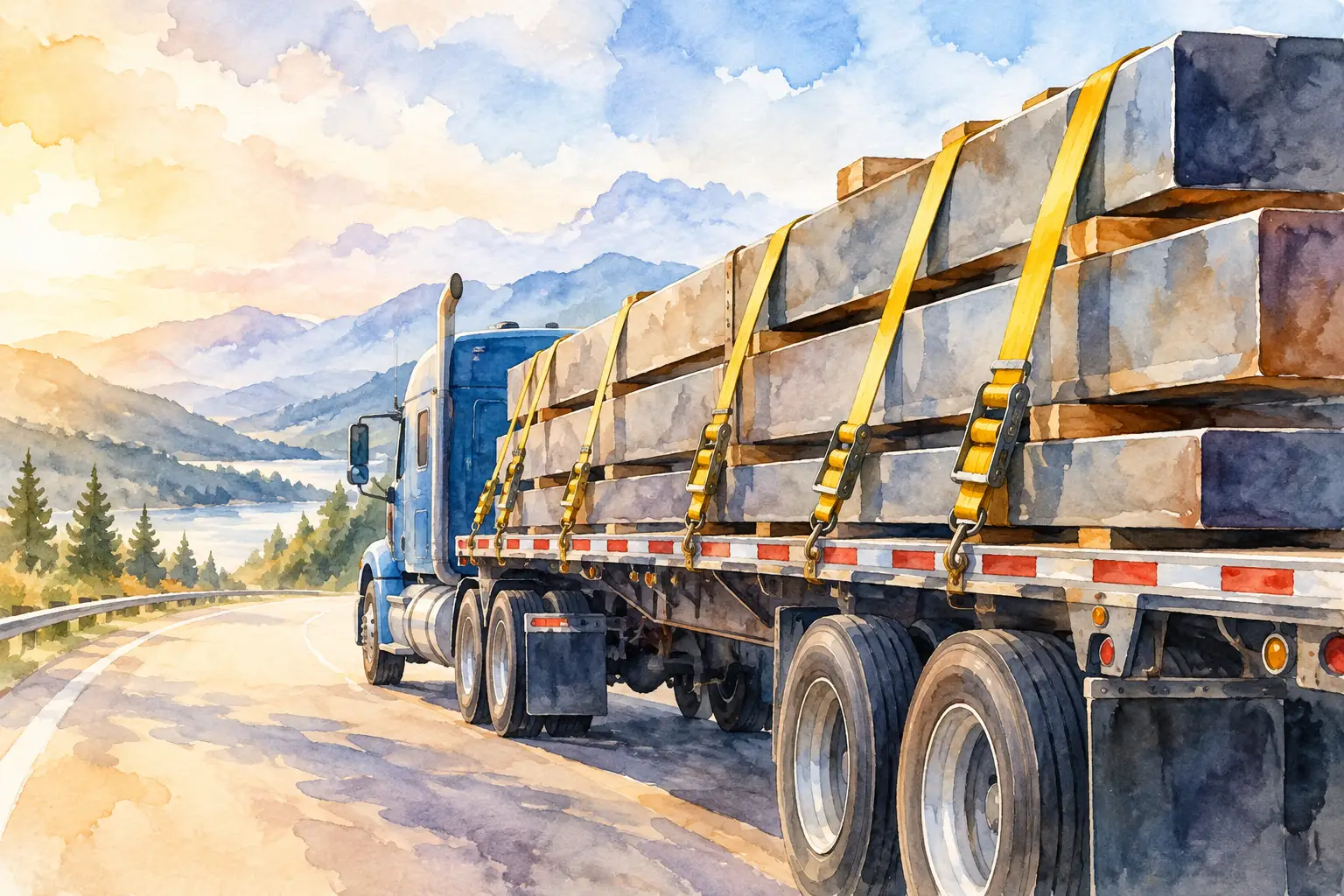
For trucks and trailers, include whether the vehicle is loaded, the nature of the load and whether it is blocking traffic or access. For plant, advise if the machine is on a slope, in mud, under a raised attachment or in an exclusion zone. Clear information supports a safer repair plan from the outset.
Use Breakdowns to Improve Fleet Reliability
A breakdown is also evidence. Once the immediate repair is complete, look at why the failure occurred and whether similar equipment is exposed to the same issue. A worn hose, loose connection, contaminated fuel system or missed service interval may be an early warning across a mixed fleet.
Scheduled servicing and inspections help find problems before they become roadside recoveries. Checking fluid condition, belts, hoses, batteries, brakes, electrical connections and hydraulic components during planned maintenance gives operators more control over downtime. It also allows repairs to be booked around production rather than forced into the busiest part of the week.
Agri Repairs supports heavy vehicles, agricultural equipment, plant and material-handling fleets with mobile diagnostics and repairs across Western Sydney and beyond. The focus is straightforward: assess the failure properly, repair it where it is safe and practical, and recommend recovery when workshop conditions are needed for a dependable result.
When equipment stops, do not decide based on the tow price alone. Make the call that protects people, prevents further damage and gets your operation working again with confidence.
 Location: Western Sydney and Hunter Valley, NSW
1 Comment
[…] hydraulic, electrical and mechanical faults can be repaired on site, especially when access is safe and replacement parts are available. Mobile repair avoids the cost […]