


A loaded truck stopped on the shoulder, at a farm gate or in the middle of a worksite is not just a mechanical problem. It can delay freight, hold up a crew, create a traffic hazard and put pressure on the rest of the fleet. Emergency truck breakdown repair is about getting control of that situation quickly, safely and with the right repair plan from the start.
For transport operators, contractors and site managers across Sydney, western Sydney, the Hunter Valley and regional NSW, the priority is clear: protect people first, then restore availability without creating a second failure down the road.
What to Do When a Truck Breaks Down
The first few minutes after a breakdown matter. A driver may know the likely fault, but guessing under pressure can turn a manageable repair into engine, driveline or electrical damage. Stop the vehicle as soon as it is safe to do so and follow the site or road safety procedure.
Where possible, make the truck visible, isolate hazards and keep people clear of traffic, moving plant and unstable loads. If the fault involves overheating, smoke, a fuel leak, damaged hydraulic lines, brake concerns or an electrical burning smell, do not attempt to drive it to a safer location unless it can be done without increasing risk.
When calling for mobile repair support, provide practical information upfront:
- The exact location, access conditions and whether the truck is on a public road, farm, mine or construction site.
- Truck make, model, registration, fleet number and any warning lights or fault codes displayed.
- A clear description of what happened before the failure, including noises, loss of power, leaks or starting issues.
- Load details, trailer configuration, site induction requirements and any immediate safety concerns.
This information helps the technician arrive with suitable diagnostic equipment, tools and likely parts. It also helps determine whether an on-site repair is realistic or whether safe recovery is the better option.
Emergency Truck Breakdown Repair Starts With Diagnosis
Fast response is valuable, but speed without diagnosis can waste more time. A truck that will not start may have a flat battery, failed starter motor, damaged wiring, fuel delivery issue, immobiliser fault or an engine management problem. Each has a different repair path.
The same applies to power loss. Restricted fuel supply, turbocharger faults, charge-air leaks, blocked exhaust components, sensor failures and derate conditions can produce similar symptoms from the driver’s seat. Replacing parts based on assumption is expensive and may leave the real fault untouched.
A capable field technician should assess the complete picture: fault codes, live data, battery and charging condition, fluid levels, visible damage, wiring integrity and mechanical operation. For heavier faults, that assessment may include fuel pressure testing, air system checks, cooling system inspection or hydraulic testing.
The aim is not simply to get the engine running. It is to establish whether the truck can return to work safely, needs a controlled repair before release, or should be recovered to prevent further damage. That distinction protects the operator, the load and the asset.
Common Roadside and Site Failures
Many breakdowns are caused by components that wear gradually before they fail completely. Starter motors, alternators, belts, hoses, batteries, wheel-end components, air lines and electrical connections are regular causes of unplanned downtime. So are damaged plugs and wiring on trailers, particularly where equipment works through dust, vibration, water crossings or rough access tracks.
Cooling faults deserve immediate attention. A small coolant leak, failed fan belt or blocked radiator can quickly become a costly engine repair if the vehicle continues operating hot. Likewise, low oil pressure, abnormal engine noise or metal contamination should be treated as a stop-work issue until properly assessed.
Trailer faults can be just as disruptive as truck faults. Lighting failures, air leaks, brake defects, broken landing gear, damaged coupling components and electrical connection issues can prevent a loaded combination from moving legally or safely. A mobile repair service with truck and trailer capability avoids the delay of arranging separate providers.
When an On-Site Repair Makes Sense
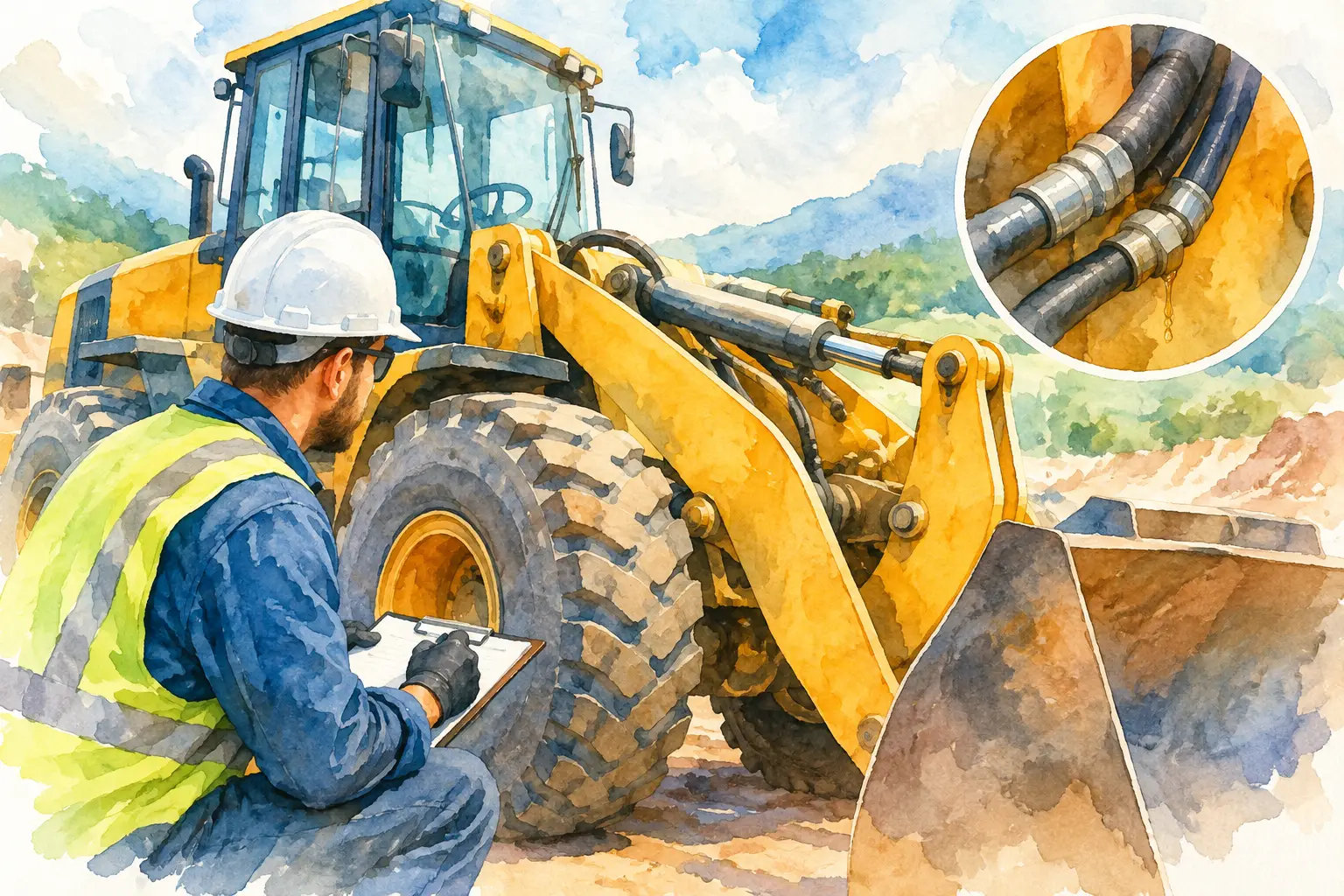
Mobile repairs are often the fastest option when the fault is accessible, the work area is safe and the repair can be completed to workshop-quality standards. Electrical fault finding, hose replacement, battery and charging repairs, air leaks, minor fuel system repairs, brake adjustments, trailer wiring repairs and selected hydraulic work can often be handled at the roadside or on site.
On-site service is especially useful for farms, industrial yards, civil projects and remote work locations where moving a disabled truck creates its own cost and logistical problems. A field technician can also inspect connected equipment, such as trailers, plant floats or hydraulic attachments, before the vehicle is released.
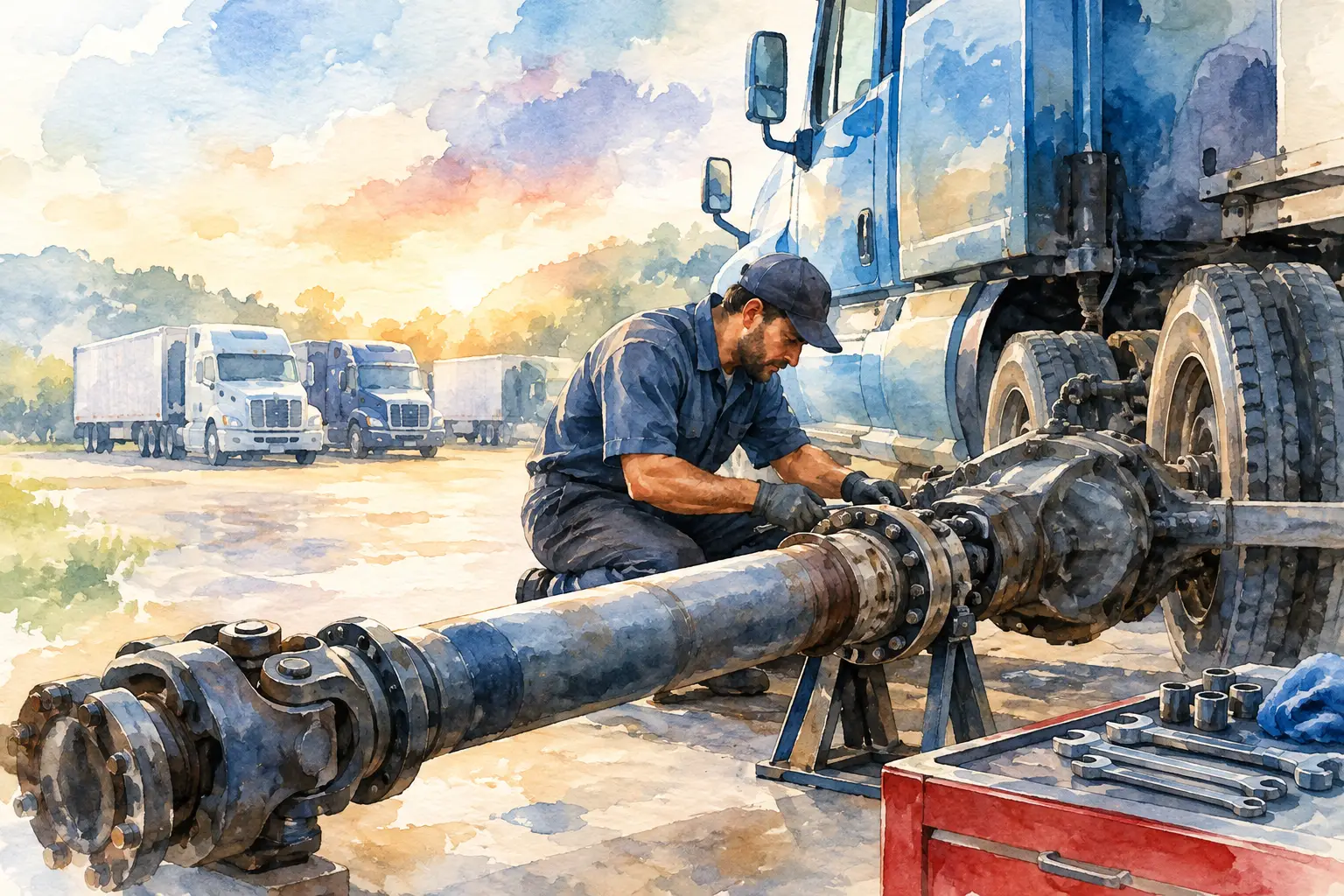
However, not every failure should be repaired in the field. Major engine damage, serious driveline faults, structural issues, extensive fabrication work or repairs requiring controlled workshop conditions may call for recovery. The right decision depends on safety, access, parts availability, contamination risk and whether the repair can be tested properly before the truck returns to service.
A reliable repair partner will be direct about this. Keeping Australia moving does not mean forcing a roadside fix when recovery is the safer and more cost-effective outcome.
Managing Downtime Beyond the First Repair
Getting the truck moving is only the first stage. A breakdown can expose a wider maintenance issue across the fleet. If one alternator has failed due to contaminated connections, if a hose has rubbed through on a poorly secured line, or if repeated fault codes point to wiring damage, similar vehicles may be at risk.
After an emergency repair, record the fault, repair completed, parts fitted and any items that need follow-up. This gives fleet managers a clear basis for scheduling further work rather than relying on memory or waiting for another failure. It also helps identify repeat patterns by vehicle, trailer, driver route or operating environment.
For owner-operators, the same approach protects cash flow. An emergency call-out is sometimes unavoidable, but repeat breakdowns usually signal a servicing gap, an unresolved underlying fault or components being run beyond their practical service life.
Preventative Checks That Reduce Call-Outs
A practical maintenance program does not eliminate every breakdown. Road debris, unexpected component failure and harsh conditions still happen. It does reduce the number of faults that develop unnoticed between services.
Daily pre-start checks should focus on fluid leaks, coolant and oil levels, tyres, lights, air pressure build-up, warning lamps, coupling security and visible hose or wiring damage. Drivers are often the first to spot a change in sound, vibration or engine response. Reporting it early can turn a roadside failure into a planned repair.
Scheduled servicing should go further, with attention to filters, belts, hoses, batteries, braking systems, wheel ends, suspension, electrical connections and diagnostic history. Fleets operating in dusty agricultural conditions, mining environments, stop-start urban work or heavy-haul applications may need different intervals. Service plans should reflect the work the truck actually performs, not just a generic calendar date.
Choosing the Right Breakdown Repair Support
The right emergency provider brings more than a toolbox. They need heavy diesel experience, practical diagnostic capability and the ability to work safely around live sites, freight movements and mixed equipment fleets. They should understand that a truck may be part of a larger operating chain involving trailers, forklifts, loaders, agricultural machinery or site plant.
Response coverage also matters. A provider familiar with Sydney, the Hunter Valley, Singleton and surrounding regional NSW can plan access, travel and support around the realities of the job. Clear communication is equally important: operators need to know what has failed, what can be repaired now, what parts are required and whether the truck is fit to return to work.
Agri Repairs provides mobile heavy diesel support for trucks, trailers and equipment where downtime cannot wait. The focus is straightforward: diagnose accurately, repair reliably and give operators a practical path back to safe service.
A breakdown will always disrupt the day. The difference is how quickly the scene is made safe, how accurately the fault is identified and whether the repair gives the vehicle a dependable return to work. Keep clear fault records, act on early warning signs and have capable field support ready before the next truck stops.

 Location: Western Sydney and Hunter Valley, NSW