


A truck stopped on the roadside, a loader down in the middle of a shift, or a tractor that will not start when conditions are right can quickly cost more than the repair itself. The choice between planned maintenance vs reactive repair determines whether a fault is found on your schedule or after it has already interrupted production, deliveries or site safety.
Reactive repairs will always have a place in heavy operations. Components can fail without warning, machines work in harsh conditions, and accidents happen. But relying on breakdowns to tell you when equipment needs attention puts your operation in a costly position: the machine is unavailable, labour is disrupted, parts may need to be sourced urgently, and the original fault may have caused further damage.
For mixed fleets across transport, agriculture, civil construction, mining and material handling, a practical maintenance plan is one of the most direct ways to protect uptime.
Planned maintenance vs reactive repairs
Planned maintenance is scheduled work carried out before a known issue becomes a breakdown. It is based on operating hours, kilometres, manufacturer intervals, duty cycle, inspection findings and the actual conditions the machine works in. This includes servicing engines and drivetrains, checking brakes, inspecting trailers, testing electrical systems, monitoring hydraulic performance, replacing worn components and addressing leaks before they become failures.
Reactive maintenance is repair work performed after something has gone wrong. It may be a failed starter motor, overheating engine, hydraulic hose burst, brake issue, electrical fault, damaged trailer component or a machine that simply will not operate. The priority is getting equipment back to work as quickly and safely as possible.
Neither approach is automatically wrong. The real issue is the balance. A well-run fleet uses planned servicing to reduce avoidable breakdowns, then uses responsive repair support for genuine unexpected failures. Operations that depend mainly on reactive work often find they are paying more for less control.
Why reactive repairs cost more than the invoice
The repair invoice is only one part of the cost of a breakdown. When a prime mover is off the road, a harvester stops during a narrow weather window, or a forklift is unavailable in a busy warehouse, the impact reaches well beyond the workshop job.
There may be missed loads, delayed crews, idle operators, hire equipment, recovery costs, overtime, spoiled product, rescheduled subcontractors and dissatisfied customers. On a construction or mining site, one unavailable machine can also hold up equipment and people waiting on the next stage of work.
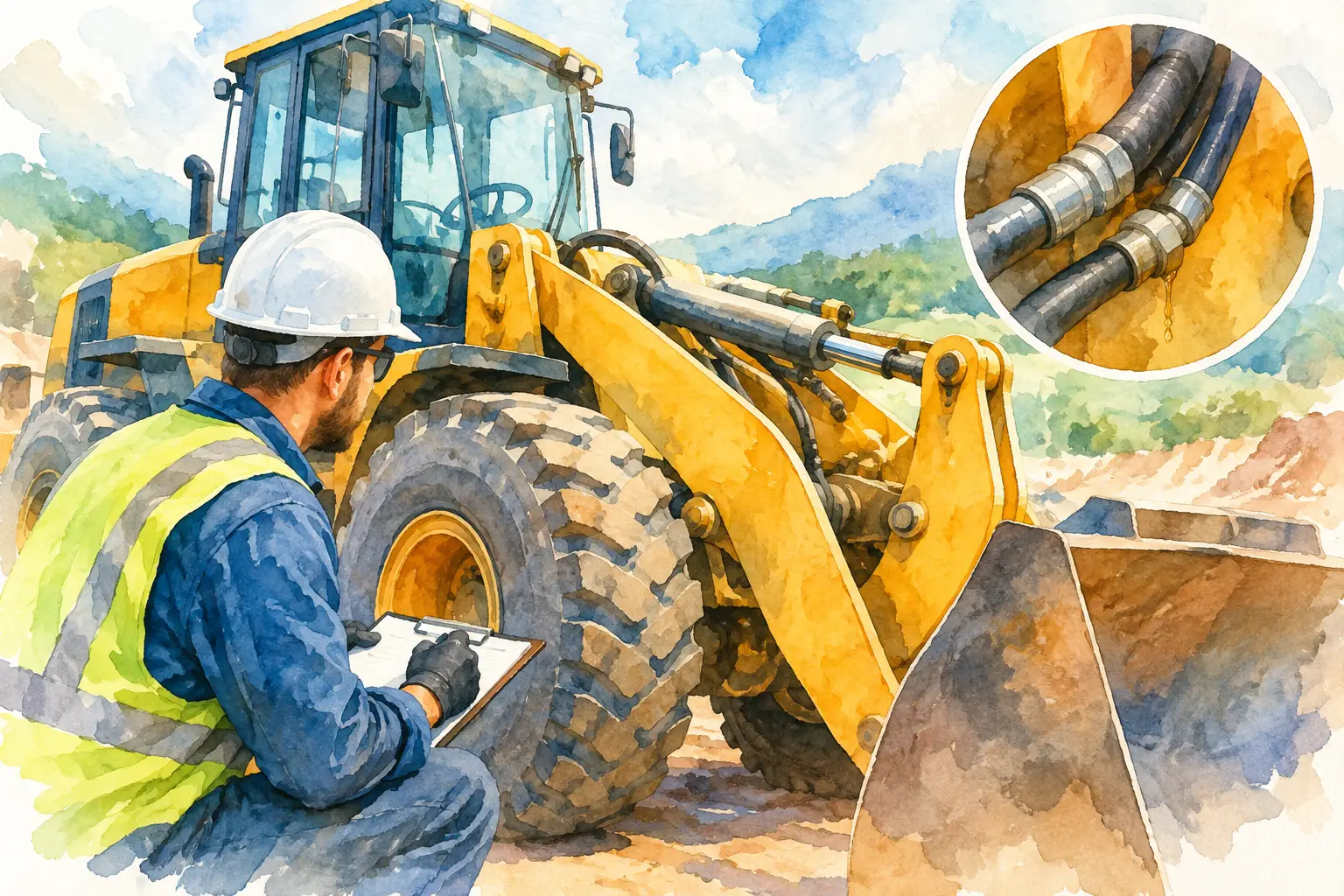
Reactive repairs can also be more complex. A small coolant leak found during a scheduled inspection may need a hose, clamp or fitting. Left unattended, it can lead to overheating, engine damage and a far larger repair. The same applies to worn brake components, contaminated fuel systems, loose wiring, damaged hydraulic hoses and driveline vibration.
Urgency changes the job as well. Breakdown repairs often require field attendance, fault finding in difficult conditions, expedited parts and work outside standard hours. Fast response matters when equipment is stranded, but no operation should treat it as its primary maintenance strategy.
What planned maintenance delivers on site
The biggest benefit of planned maintenance is control. You can schedule work around delivery runs, harvest windows, shutdowns, shift changes and lower-demand periods. That gives you a better chance of having the right parts available, allocating labour properly and returning equipment to service without a production emergency.
Regular servicing also creates a useful record of the machine’s condition. Repeated inspection findings can identify patterns: a trailer with ongoing electrical issues, a machine that is running hot under load, a hydraulic system that is losing performance, or an engine showing early signs of fuel or air intake problems. Those trends allow repairs to be planned before a component fails completely.
Safety is another major factor. Heavy diesel equipment does not need a total breakdown to create risk. Brake wear, steering play, tyre condition, lighting faults, leaks, damaged guards and poor hydraulic performance can all affect safe operation. Planned inspections give operators and maintenance teams a structured opportunity to deal with defects before equipment returns to the road, paddock, yard or worksite.
For compliance-focused fleets, documented servicing and repairs can also support maintenance obligations, audit requirements and resale value. A clear history shows that equipment has been looked after rather than only repaired when it stopped moving.
The right maintenance interval depends on the work
A calendar reminder alone is not enough. Two identical machines can need very different maintenance schedules if one works light hours on sealed roads and the other operates in dust, mud, heat, steep terrain or stop-start site conditions.
A transport fleet may prioritise kilometre-based servicing, brake and trailer inspections, cooling system checks and early detection of driveline or electrical issues. Agricultural equipment may need closer attention before and during peak seasonal use, particularly around filters, cooling, belts, bearings, hydraulics and implements. Earthmoving and mining equipment may require more frequent inspections because of dust, vibration, load cycles and long operating hours. Forklifts need maintenance that reflects both operating hours and the safety demands of the workplace.
The best schedule is built around manufacturer recommendations, then adjusted to suit the real duty cycle. If a machine is regularly running overloaded, working in extreme conditions or operating long shifts, standard intervals may not be enough. Conversely, equipment that has been parked for months still needs checks before it is put back into service. Fluids, batteries, seals, tyres and electrical connections can deteriorate while a machine is idle.
Build a practical program, not paperwork
A maintenance program only works if it fits the operation. Overly complicated systems are often ignored when the pressure is on. Start with an accurate asset list covering trucks, trailers, tractors, harvesters, excavators, loaders, forklifts and support equipment. Record operating hours, kilometres, service dates, known issues and critical parts that have a history of failing.
From there, set service intervals and inspection points that match each asset’s use. Daily or pre-start checks should be simple enough for operators to complete properly. They should focus on visible leaks, fluid levels, tyres or tracks, lights, alarms, brakes, steering, damage and any new noises or warning lights. Operators are usually the first people to notice that a machine is behaving differently, so their observations need to be acted on rather than filed away.
Scheduled servicing should go further than a basic oil and filter change. It is the opportunity to inspect the systems that can stop a machine unexpectedly: fuel delivery, cooling, charging, starting, electrical connections, hydraulics, driveline, suspension, brakes and structural components. Good diagnostics matters here. Replacing parts without identifying the cause can turn a recurring fault into repeated downtime.
It also helps to rank assets by operational importance. A backup ute may be inconvenient to lose. A primary truck, header, excavator or forklift that sits at the centre of a workflow may stop the entire operation. Critical equipment deserves closer monitoring and earlier intervention.
When reactive maintenance is still the right call
Even the best-maintained equipment can suffer sudden failure. Road debris can damage a hose, an electrical component can fail, or a hidden defect can appear without warning. In these situations, responsive mobile repair support is essential.
The goal is not to eliminate reactive repairs completely. It is to make them the exception rather than the normal way of operating. When a breakdown occurs, a proper diagnosis should also feed back into the maintenance plan. Ask what failed, why it failed, whether there were earlier warning signs, and whether inspection intervals or operating practices need to change.
For operations across Western Sydney and demanding field locations, mobile support can reduce the delay involved in transporting disabled equipment to a workshop. Agri Repairs provides workshop-quality diagnostics and repair support on site, helping get trucks, trailers, agricultural machinery, heavy equipment and forklifts back into service where practical.
Make uptime a planned outcome
The difference between planned maintenance and reactive repair is not just a maintenance budget line. It is the difference between organising downtime and having downtime organise your day. Start with the machines that matter most, listen to operator reports, deal with small faults early, and use skilled repair support before a minor issue takes a valuable asset out of service.


 Location: Western Sydney and Hunter Valley, NSW