


A truck parked on the shoulder with a defect notice is not just a mechanical problem. It can hold up a delivery, pull a driver off the road, disrupt a customer’s schedule and expose the business to penalties. This truck compliance guide gives NSW fleet operators a practical way to keep heavy vehicles safe, roadworthy and available for work.
Compliance is not a once-a-year inspection task. It is the result of sound maintenance, accurate records, capable drivers and prompt action when faults are found. The best fleets treat it as part of daily operations because prevention is generally faster and cheaper than a roadside repair, missed run or major incident.
What truck compliance means in practice
For most heavy vehicles operating in NSW, compliance includes meeting vehicle standards, mass and dimension requirements, fatigue rules where applicable, load restraint obligations and work health and safety duties. Businesses also need to meet their responsibilities under the Heavy Vehicle National Law, including Chain of Responsibility obligations.
That means compliance is not carried by the driver alone. Operators, schedulers, loaders, consignors, maintenance providers and managers can all affect whether a vehicle is operated safely and legally. A schedule that cannot be completed within legal work and rest hours, for example, creates a compliance risk before the truck leaves the yard.
The exact obligations depend on the vehicle, route, accreditation status and work being performed. A local rigid truck running between sites does not face the same operating conditions as a B-double on linehaul work. The principle remains the same: identify the risks, control them before departure and keep evidence that the controls are working.
Start with a reliable maintenance system
Roadworthiness is where compliance becomes tangible. Brakes, steering, tyres, suspension, lights, coupling equipment and load restraint points must be in serviceable condition. A small oil leak, worn tyre shoulder or intermittent trailer light may seem manageable in the workshop, but each can become a serious issue on the road.
Build servicing around manufacturer intervals, actual operating hours, kilometres, load type and site conditions. Trucks working around quarries, farms, construction sites or mine access roads may need more frequent inspections than vehicles operating on sealed metropolitan routes. Dust, vibration, mud, steep grades and stop-start operation all accelerate wear.
A practical system records scheduled services, defects, repair actions, parts fitted and inspection results against each asset. Include trailers, dollies, hydraulic equipment and ancillary systems rather than treating the prime mover as the only compliance concern. A compliant truck cannot make up for a trailer with damaged air lines, poor brakes or a worn coupling.
When repairs are required, avoid temporary fixes becoming permanent. A controlled short-term repair may be necessary to recover a vehicle safely, but it needs a clear follow-up action and date. If a defect affects safe operation, take the vehicle out of service until it is repaired and inspected.
Daily checks should find faults early
Drivers are best placed to identify changes in how a truck feels, sounds or handles. Give them a clear pre-start process and make reporting straightforward. A defect report that disappears into a folder will not protect the driver or the business.
A useful daily inspection covers the following areas:
- tyres, wheels and wheel nuts, including visible damage, inflation concerns and signs of movement
- lights, reflectors, mirrors, windscreen, wipers, horn and reversing equipment
- air leaks, fluid leaks, brake response, steering feel and warning lights
- couplings, chains, trailer connections, load restraint equipment and body security
- registration, required signage, permits and any documents needed for the task
Drivers should also check after loading, after a break and whenever handling changes. Loads settle, restraints can loosen and a trailer issue can develop well after the first inspection.
Control mass, dimensions and load restraint
Overloading is not always obvious from the driver’s seat. A vehicle can look level and still exceed an axle group limit, gross mass limit or permitted dimension. Confirm the truck and trailer configuration, the applicable limits and the route before loading begins.
Use calibrated scales where the load type and operation require it. Keep weight records, communicate load information to drivers and plan for variables such as wet product, inconsistent pallet weights or attachments left in the tray. For bulk and agricultural work, moisture content alone can materially change a load weight.
Load restraint deserves the same attention as vehicle maintenance. The right restraint method depends on the load, deck, restraint points, tie-down capacity and direction of movement that must be controlled. Damaged ratchets, cut webbing, unsuitable chains or improvised anchor points are not acceptable because the load has only a short distance to travel.
There is a trade-off in every loading operation between speed and verification. Rushing a load out may save minutes at the gate, but a rework, shifted load or enforcement stop costs far more. Make the person loading the vehicle accountable for confirming the load is secure, and make sure the driver has the authority to refuse an unsafe load.
Manage driver fatigue before it becomes a roster problem
Fatigue compliance is not simply about completing a work diary correctly. It starts with realistic job planning. Dispatch times, loading delays, traffic, site queues, weather and rest locations all affect whether a driver can work within legal limits.
Review runs using actual trip data, not best-case travel times. If a route regularly leaves drivers short on legal rest, change the schedule, staging point or allocation. Pressuring a driver to “make it work” transfers risk to the individual but does not remove the operator’s Chain of Responsibility exposure.
Drivers should understand how to report fatigue without being blamed for it. A professional report can allow a supervisor to arrange relief, rebook a slot or direct the vehicle to a safe rest area. Ignoring the warning signs is never an operational solution.
Keep records that stand up to scrutiny
Good records show that a fleet has a working system, not just a policy document. Store inspection sheets, service histories, defect reports, repair invoices, tyre records, driver inductions, licence checks, mass records and relevant fatigue documentation in a format that can be retrieved quickly.
Digital systems can improve visibility across a mixed fleet, particularly where vehicles work across multiple sites. Paper records can still work for smaller operations if they are legible, consistent and reviewed. The key is not the format. It is whether a manager can see open defects, overdue services and repeat faults before they create a breakdown or compliance breach.
Pay attention to recurring issues. Three separate lighting faults on the same trailer may point to wiring damage, connector problems or poor inspection practices. Replacing bulbs each time does not address the underlying cause.
Prepare for roadside inspections and audits
A roadside inspection should not be the first time a driver looks for required documentation or checks a trailer connection. Train drivers on what to do if they are pulled over: cooperate, provide accurate information, record any defects or directions given and notify the business promptly.
Back at the depot, treat notices and defects as useful operational feedback. Investigate why the issue was present, repair it properly, record the action taken and check whether other vehicles may have the same problem. This is especially valuable after a defect involving brakes, tyres, steering, load restraint or coupling equipment.
Use field maintenance to protect fleet availability
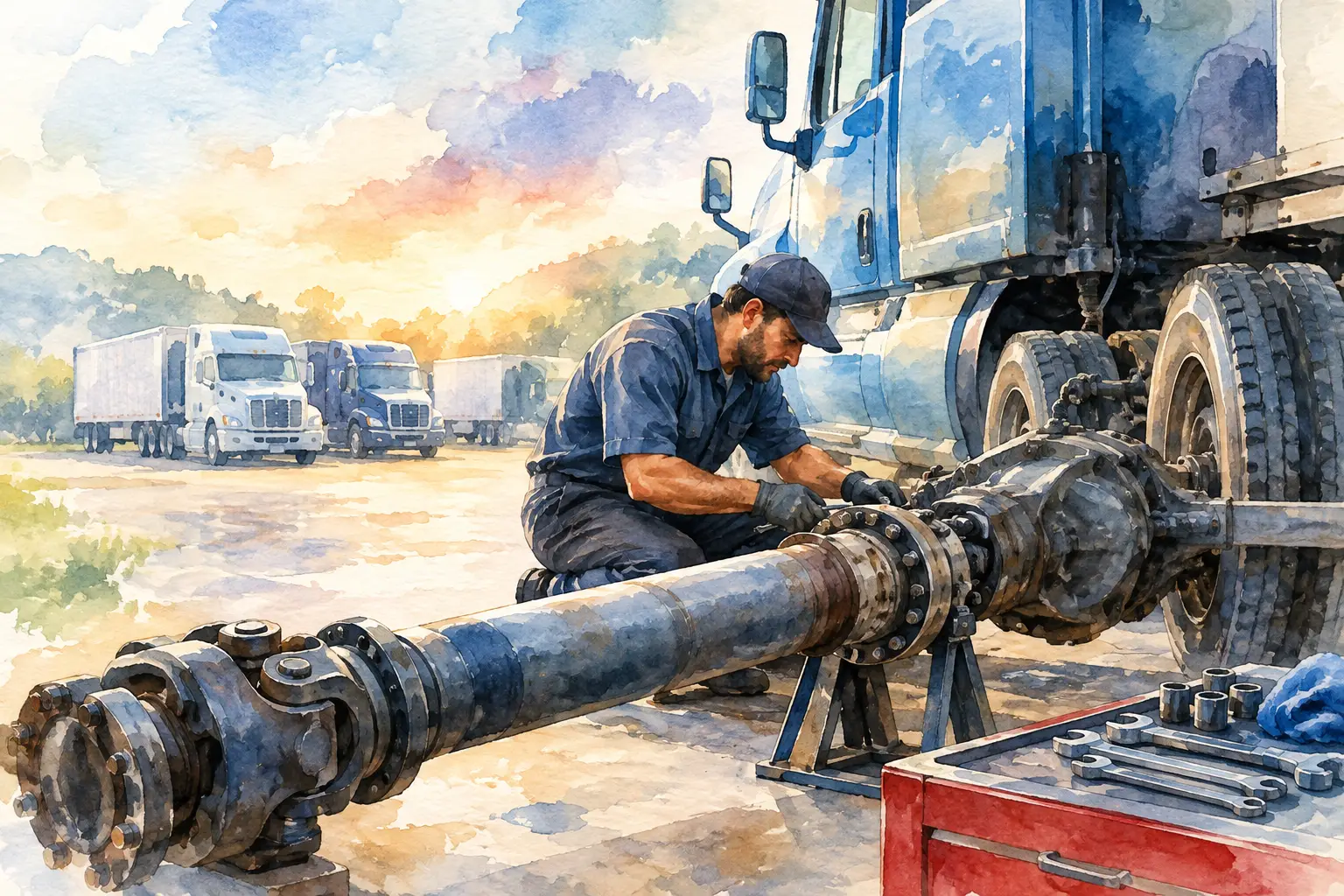
Planned servicing reduces risk, but equipment can still fail at the worst possible time. For fleets operating around Western Sydney, a mobile heavy diesel technician can often inspect, diagnose and repair a fault at the yard, roadside or worksite, avoiding unnecessary towing and lost hours.
The right response depends on the fault. A minor electrical issue may be resolved on site, while a major brake, steering or engine fault may require the vehicle to be stood down for controlled repair. Fast turnaround matters, but workshop-quality workmanship and a safe return to service matter more.
A compliance system works when it is used every day by drivers, workshop staff and managers. Keep inspections honest, close out defects quickly and plan maintenance around the conditions your fleet actually faces. That is how you protect people, keep Australia moving and give every truck the best chance of finishing the job safely.



 Location: Western Sydney and Hunter Valley, NSW