

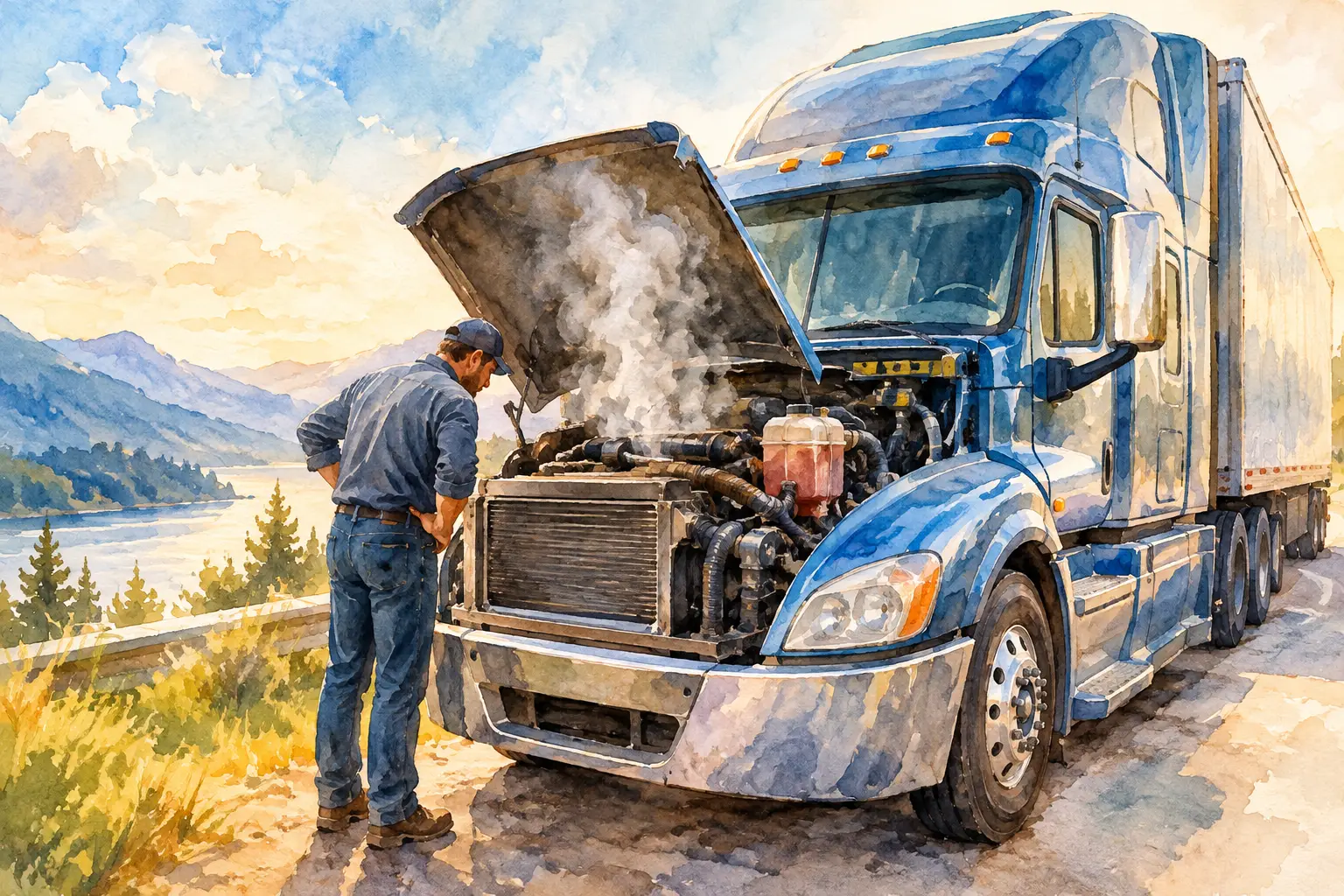
A temperature gauge climbing under load is not a warning to ignore until the next stop. On a prime mover hauling through western Sydney traffic, a tipper working a hot civil site, or a farm truck pulling equipment, heat can turn a minor cooling fault into major engine damage quickly. Knowing why trucks overheat helps operators act early, protect expensive diesel components and keep Australia moving.
Overheating is rarely caused by one dramatic failure. More often, it is the end result of reduced coolant flow, poor airflow, lost system pressure or an engine working beyond what the cooling system can manage. The correct repair depends on finding the cause, rather than simply topping up coolant and sending the truck back out.
Why Trucks Overheat Under Load
A heavy diesel produces substantial heat, particularly when towing, climbing, operating hydraulics or idling for extended periods. The cooling system must transfer that heat from the engine through the coolant, radiator and airflow path. If any part of that process is restricted, temperature rises fast.
The most common cause is low coolant. A small leak at a hose, clamp, radiator core, water pump, heater line or expansion tank can lower the coolant level over time. Once the level drops, air pockets can form around hot areas of the engine. The gauge may fluctuate, the heater may stop performing properly and the engine can overheat without much warning.
A leak is not always visible on the ground. Coolant can evaporate off a hot engine, collect in underbody guards or leak internally. A sweet smell, dried white or coloured residue around fittings, repeated low coolant, or unexplained pressure in the cooling system all need investigation. Continually adding water or coolant without locating the loss is a short-term measure that can create a much larger repair bill.
Restricted airflow is another frequent issue. Radiators, charge-air coolers, air-conditioning condensers and oil coolers collect dust, chaff, mud, insects and road debris. This is especially common in agriculture, quarry work and construction. A radiator can look acceptable from the front while the space between stacked coolers is packed tight with debris. The fan may be moving air, but that air cannot pass through the core effectively enough to remove heat.
A blocked radiator core can produce similar symptoms. Scale, poor-quality water, incorrect coolant, corrosion or old coolant can restrict internal passages. The engine may run reasonably at light load but overheat on a grade or when towing. That pattern matters because it points a technician towards cooling capacity rather than an immediate electrical gauge fault.
Cooling System Faults That Cause Overheating
The thermostat, water pump, viscous fan and radiator cap each play a direct role in temperature control. They are relatively small components, but their failure can stop a truck when it is needed most.
A thermostat that sticks closed restricts coolant circulation through the radiator. One that opens only partially may allow normal temperatures around town but cause overheating on longer runs. Thermostats should be tested and replaced with the correct specification for the engine, not removed as a permanent workaround. Removing a thermostat can disrupt designed coolant flow and may create other operating problems.
A worn or damaged water pump may not circulate enough coolant, particularly at higher engine speed. Leaks from the pump’s weep hole, bearing noise, shaft movement or damaged impeller blades are all warning signs. On some engines, the problem is not the pump itself but a slipping belt, failed tensioner or belt routing issue that reduces pump speed.
Fan faults are often missed because the fan still turns. A viscous fan may freewheel when it should lock up at higher temperatures, while an electronically controlled fan may have a sensor, wiring, relay or control issue. If the engine overheats mainly at low road speed, while idling or in stop-start work, poor fan performance becomes more likely. At highway speed, natural airflow can sometimes mask the fault.
The radiator cap also deserves attention. The cooling system relies on pressure to raise the coolant boiling point. A weak cap can release pressure too early, allowing coolant to boil, overflow or create vapour pockets. It is a low-cost part, but it must hold the correct pressure and seal properly.
Engine and Operating Conditions Can Add Heat
Not every overheating complaint begins in the radiator. Excessive engine load, poor combustion or a related system fault can put more heat into the cooling system than it was designed to handle.
An overloaded truck, a trailer brake dragging, underinflated tyres, incorrect gear selection or prolonged high-speed operation in hot conditions can all increase load. In a working fleet, these conditions are not always avoidable. What matters is whether the truck’s cooling system has enough reserve capacity and whether the driver recognises the temperature trend before damage occurs.
Poor combustion can also contribute. Faulty injectors, incorrect timing, boost leaks, restricted intake components or exhaust restrictions may increase exhaust gas temperature and overall engine heat. On modern electronically managed diesels, diagnostic fault codes and live data are valuable, but they are only part of the assessment. A practical inspection of hoses, belts, coolant condition, fan operation and cooler cleanliness remains essential.
Head gasket failure, a cracked cylinder head or combustion gases entering the cooling system are more serious possibilities. Warning signs include constant bubbles in the expansion tank, coolant being pushed out, hard hoses soon after a cold start, white exhaust smoke in some cases, oil contamination or repeat overheating after external cooling repairs. These faults need proper testing before major components are removed or replaced.
What to Do When a Truck Starts Overheating
If the temperature gauge is climbing, reduce engine load as soon as it is safe. Back off the throttle, select a suitable gear, turn off unnecessary auxiliary loads and find a safe place to stop. Do not continue pushing a heavy vehicle uphill or under full load in the hope that the temperature will settle.
Avoid shutting down immediately if the engine is only moderately hot and conditions allow a short unloaded idle to stabilise temperature. However, if the gauge is in the red, there is steam, coolant is escaping or warning alarms are active, stop safely and shut the engine down. Continuing to operate can warp cylinder heads, damage liners, compromise head gaskets and turn a manageable repair into an engine rebuild.
Never remove a radiator or expansion-tank cap while the system is hot. Pressurised coolant can cause serious burns. Let the engine cool fully before checking levels, and use the manufacturer’s procedures for that vehicle. If coolant has been lost, do not refill with whatever water is available unless it is an emergency measure and the correct coolant mix can be restored promptly. Poor water quality and incorrect coolant chemistry create corrosion and scale inside the system.
Record what happened before the details are lost. Note the load, outside temperature, road conditions, gauge reading, warning lights, whether the fan was loud, and whether coolant was visible. This information helps a technician find an intermittent fault faster and reduces unnecessary downtime.
How Preventative Maintenance Stops Truck Overheating
Cooling-system maintenance is cheaper than an unplanned breakdown, particularly for equipment operating away from the depot. The right service schedule depends on the truck, hours, kilometres, environment and duty cycle, but a thorough inspection should include coolant level and condition, pressure testing where required, hose and clamp checks, belt condition, fan operation, radiator-cap testing and external cooler cleaning.
Coolers should be cleaned carefully from the correct direction, using methods suited to the core. High-pressure washing too close to the fins can fold them over and reduce airflow further. In dusty farm, mining and civil environments, cleaning intervals may need to be based on operating conditions rather than a calendar alone.
Use the manufacturer-specified coolant and maintain the correct concentration. Coolant is not just coloured water. It controls freezing and boiling protection, lubricates components such as water pumps and contains inhibitors that protect aluminium, steel and other metals in the system. Mixing incompatible coolant types can reduce that protection.
Driver pre-start checks make a real difference. A quick look for leaks, coolant residue, damaged hoses, debris in front of the radiator and changes in coolant level can catch a fault before the truck is committed to a run. Fleet managers should also treat repeat coolant top-ups, temperature spikes and overheating under load as maintenance priorities, not normal operating behaviour.
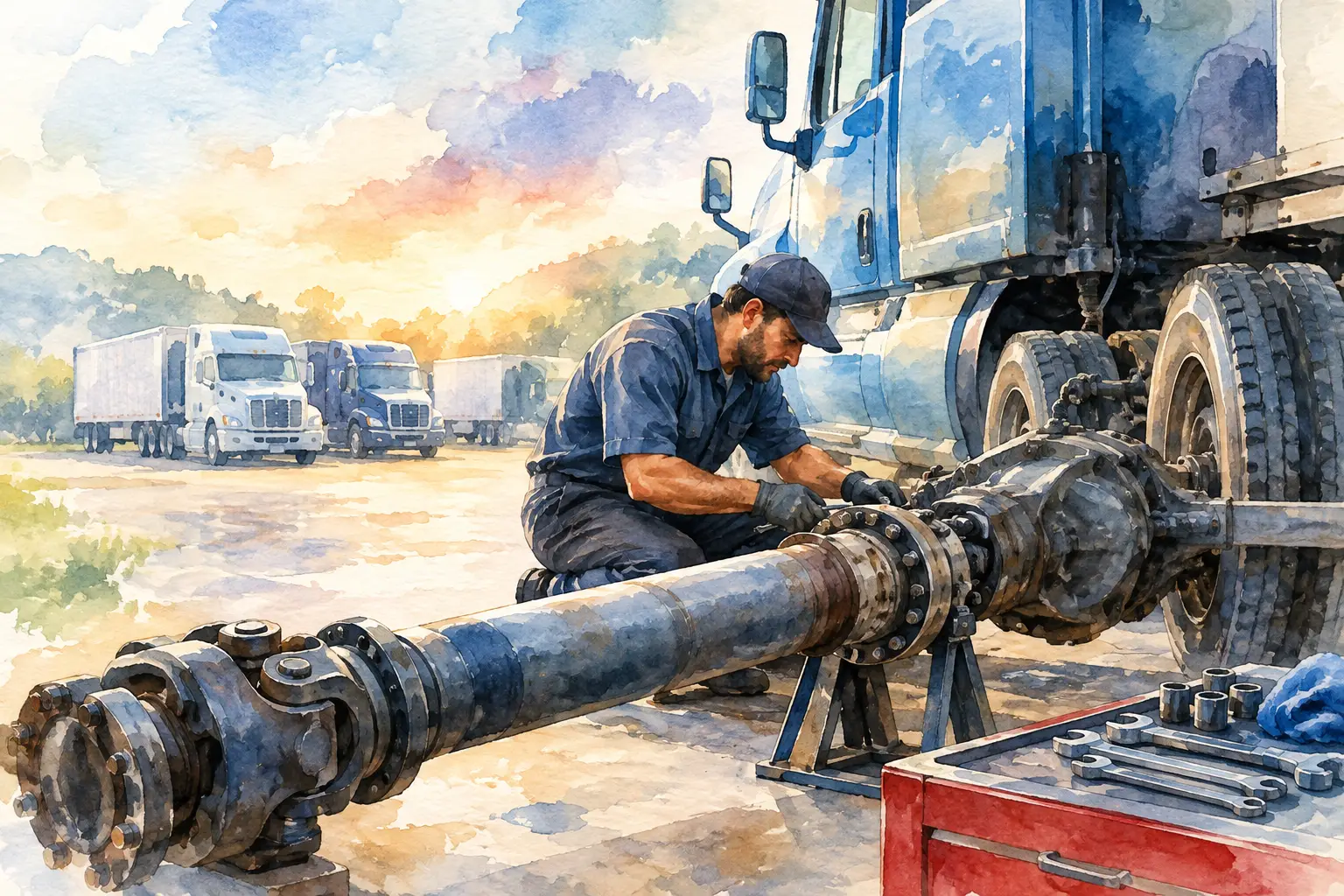
When a truck overheats, fast diagnosis matters as much as fast attendance. A workshop-quality inspection at the roadside, farm or worksite can identify whether the issue is a simple leak, airflow restriction, failed component or a deeper engine fault. Agri Repairs provides practical mobile support for heavy diesel equipment, focused on getting the right repair completed and your fleet safely back to work.
A temperature gauge is one of the most useful early-warning tools in a truck. Respond to the first abnormal reading, not the steam cloud, and you give the engine its best chance of returning to service without a costly interruption.

 Location: Western Sydney and Hunter Valley, NSW