

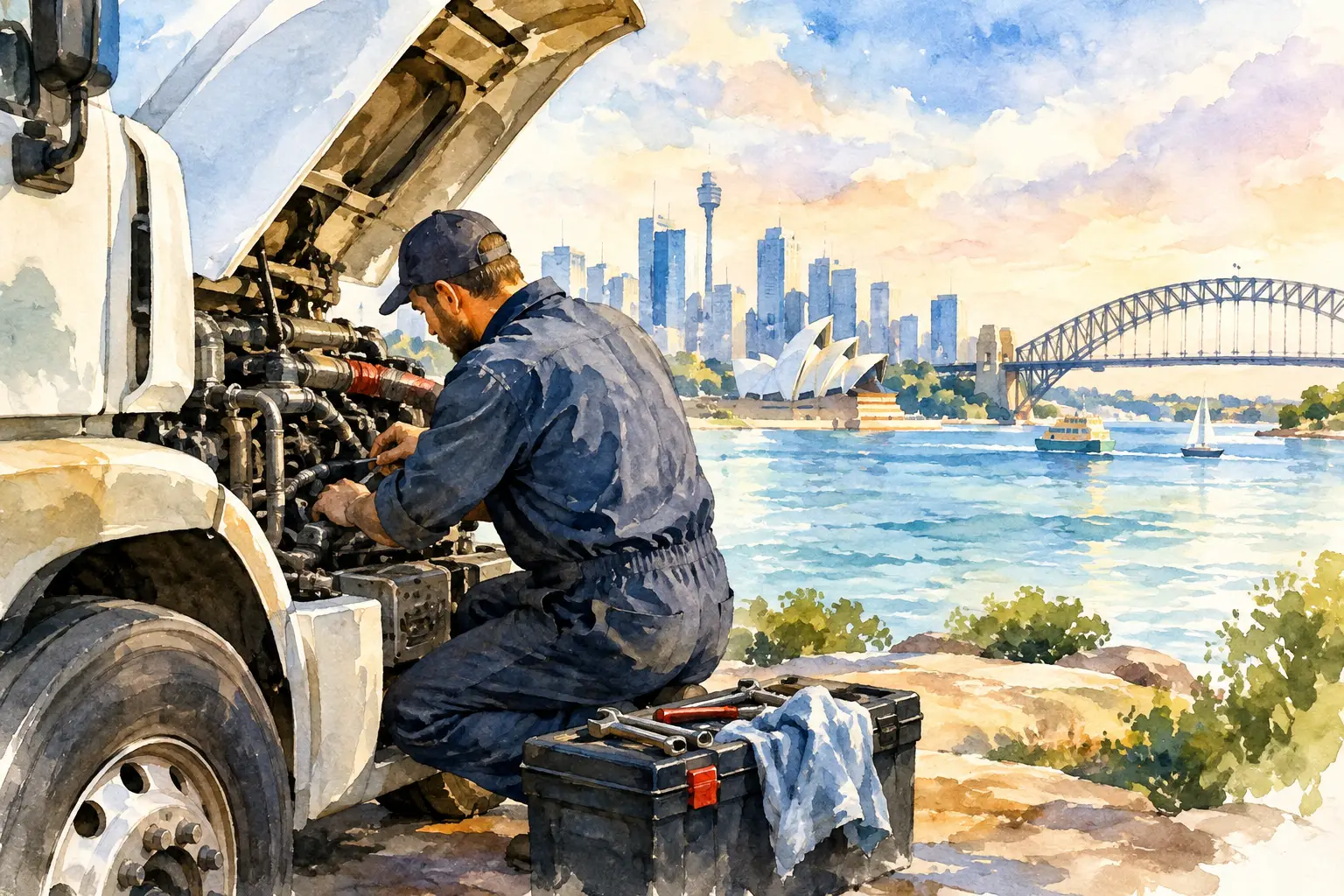
A loaded truck stopped on the shoulder, a tractor down before planting, or a forklift out of action in a busy warehouse is not a minor inconvenience. It is lost production, missed delivery windows and a potential safety issue. Finding the best mobile diesel mechanics in Sydney businesses can rely on means choosing a field-service partner that can diagnose the fault properly, arrive prepared and return equipment to work without creating a repeat problem.
For fleets and operators, the right choice is rarely about finding the lowest call-out rate. It is about response capability, practical experience across your equipment, clear communication and workmanship that holds up under load.
What separates the best mobile diesel mechanics in Sydney?
A mobile mechanic should bring more than tools to site. Heavy diesel faults are often connected across mechanical, electrical, hydraulic and electronic systems. A no-start condition may be a fuel supply issue, a wiring fault, a failed sensor or a problem with the starter circuit. Hydraulic drift may be caused by a leaking cylinder, contaminated oil, a valve issue or a pump losing performance.
The best field mechanics work through the evidence before replacing parts. They ask what happened before the failure, inspect the machine, use suitable diagnostic equipment and test the repair before putting the asset back into service. This approach reduces unnecessary parts costs and helps prevent the same fault from returning next week.
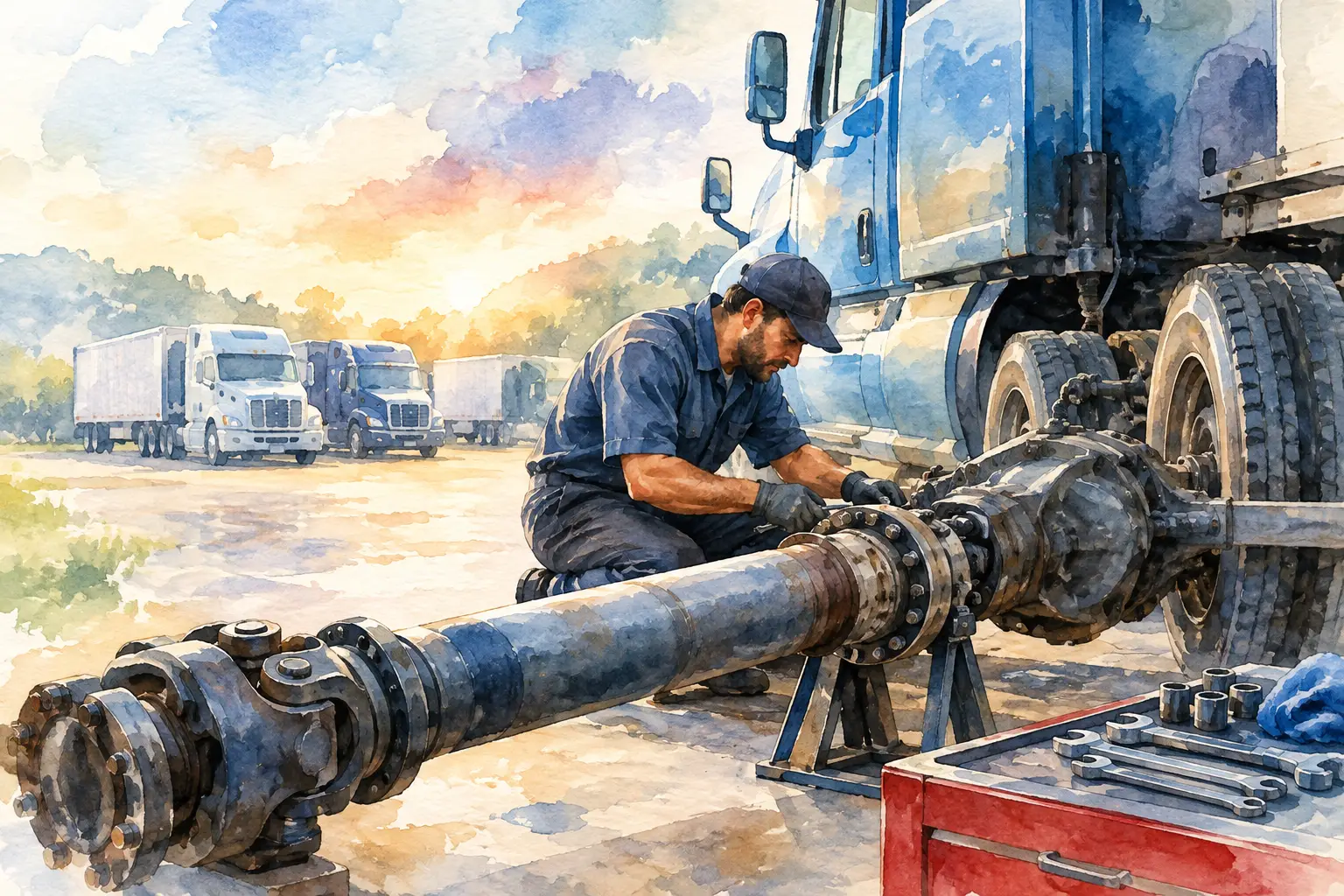
For a transport, civil, agricultural or industrial operation, look for a provider that can handle the practical jobs that keep a mixed fleet running: truck and trailer repairs, diesel engine diagnostics, hydraulic repairs, electrical fault-finding, servicing, fabrication and breakdown support. One capable provider can save significant time when the issue crosses more than one trade area.
Field capability matters more than a large tool list
Mobile work has limits. A major engine rebuild, complex machining job or extensive structural repair may need workshop facilities. A reliable mechanic will be upfront about that rather than attempting a poor-quality repair in the field.
But many failures can and should be resolved on site when the technician arrives with the right diagnostic tools, lifting and safety equipment, common consumables and the experience to use them. The goal is not simply to avoid a workshop visit. It is to make the safest, most economical decision for the asset and the job at hand.
Choose experience that matches your equipment
Diesel machinery may share principles, but a prime mover, excavator, telehandler, tractor and forklift do not fail in exactly the same way. Their duty cycles, access requirements, control systems and compliance needs differ. A mechanic familiar with your operating environment will recognise the patterns sooner and plan the repair around site conditions.
A transport operator may need help with air systems, trailer brakes, lighting, suspension, cooling issues and roadside breakdowns. A farm may need dependable servicing for tractors, implements and harvesting equipment during narrow seasonal windows. Civil and mining contractors need a technician who understands hydraulic systems, contamination control, attachment wear and the safety requirements of an active site.
Ask directly whether the provider regularly works on your class of machinery. Ask what diagnostic capability they carry and whether they can support both scheduled maintenance and urgent breakdowns. Specific, practical answers are more useful than broad promises.
Response time is only useful with a clear repair plan
Fast attendance matters when a machine is earning or holding up money. However, a quick arrival is only the first part of good service. You also need a clear plan once the mechanic is on site.
A professional mobile diesel mechanic should explain the suspected cause, the tests required, the likely repair path and any parts lead time before costs escalate. If there are options, such as a temporary repair to safely finish a shift versus a full repair before returning the machine to heavy work, those options should be set out plainly.
Temporary repairs have a place, particularly when a machine must be moved from an unsafe location or when a critical job needs to be completed. They should be documented as temporary, with a proper follow-up repair scheduled. A patch that becomes permanent can turn a manageable fault into an expensive failure.
Check how they work around safety and compliance
Heavy equipment repairs are performed around stored energy, hot components, pressurised hydraulics, traffic, moving plant and elevated loads. The best mobile diesel mechanics in Sydney treat site safety as part of the repair, not paperwork that slows the job down.
Before engaging a provider, confirm they can work within your site requirements. That may include inductions, permits, isolation procedures, traffic management, lockout processes and appropriate personal protective equipment. For roadside work, safe positioning and visibility are just as important as the mechanical diagnosis.
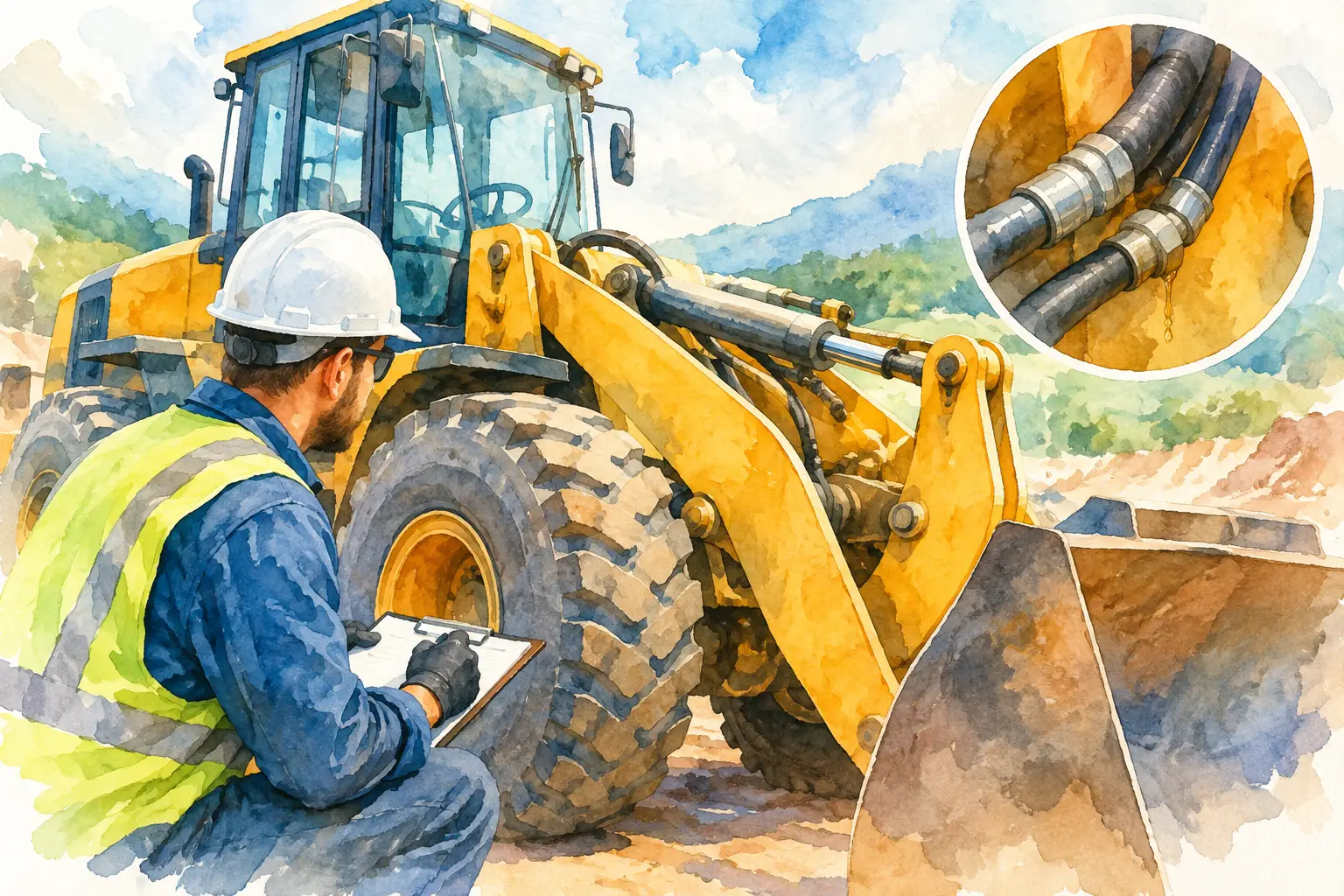
Quality also includes checking the repair in operation. A hydraulic hose replacement should be inspected for routing, abrasion protection and leaks under pressure. Electrical work should be secured, protected from heat and tested under load. Brake, steering and suspension repairs need the appropriate checks before the vehicle returns to the road.
Look beyond the breakdown call-out
The best time to assess a mobile repair partner is before your next urgent failure. A provider that understands your fleet through regular servicing can often identify wear, leaks, poor connections and developing engine issues before they stop a machine.
Preventative maintenance is not about replacing parts without reason. It is about servicing to manufacturer requirements, inspecting high-risk components and using operating history to target known weak points. For high-hour equipment, oil leaks, cooling-system condition, belt and hose wear, brake performance, battery health and hydraulic contamination can all indicate a problem before the operator is stranded.
Good service records make this more effective. They help you track hours, completed work, parts fitted, recurring defects and upcoming service intervals. That information also supports better decisions about whether to repair, rebuild or replace a component.
Questions worth asking before you book
When comparing mobile providers, ask how they charge call-outs and after-hours work, what equipment they can diagnose on site, and whether they can source parts promptly. Confirm who will attend the job and whether the technician has relevant experience with your machine type.
It is also worth asking how they manage a repair that cannot be completed on the first visit. A dependable provider will communicate the next step, identify whether the equipment can be made safe, and give you realistic timing rather than leaving site with uncertainty.
Price still matters, but it needs context. A cheaper attendance can cost more if the diagnosis is wrong, unsuitable parts are fitted or the repair fails under working conditions. The better comparison is total downtime, repair durability and the confidence that the machine can go back to work safely.
When a mobile repair is the right call
Mobile support is especially valuable when moving equipment would create more delay or expense than repairing it where it sits. This includes disabled trucks and trailers, machinery at remote farms, excavators on civil sites, forklifts in operating facilities and plant that cannot be readily transported.
It also makes sense for fleet servicing. Completing planned maintenance at your yard, depot, farm or worksite can reduce vehicle movements and help service windows fit around operational demand. For businesses running different asset types, a field mechanic with broad heavy diesel capability can simplify maintenance coordination.
Agri Repairs provides this kind of workshop-quality field support across Western Sydney and surrounding operating areas, assisting customers whose equipment cannot afford to wait for transport back to a workshop.
Make the first call before the next failure
Keep the details of a trusted mobile diesel provider available to supervisors, drivers and operators. When calling for a breakdown, have the machine make and model, asset number, location, fault symptoms, warning codes and any safety concerns ready. Clear information helps the mechanic arrive with a better understanding of the job and the right equipment for the likely repair.
The right mobile mechanic becomes more than an emergency contact. They become part of the maintenance plan that keeps trucks delivering, machinery producing and crews working safely. Choose one based on proven capability, straightforward communication and repair quality, then give them the opportunity to understand your fleet before downtime makes the decision for you.

 Location: Western Sydney and Hunter Valley, NSW