


A warning light on a prime mover, a tractor losing power under load, or an excavator that will not complete a regeneration is rarely a problem to leave until the next quiet day. A professional diesel engine diagnostic service identifies what the machine is reporting, confirms the real cause of the fault and gives you a practical repair path before a minor issue turns into costly downtime.
For transport, agriculture, mining and civil operations, the aim is not simply to clear a code and get moving again. It is to return equipment to safe, reliable service with confidence that the underlying issue has been addressed.
What a Diesel Engine Diagnostic Service Actually Does
Modern diesel equipment relies on electronic control systems alongside proven mechanical components. The engine management system monitors sensors, fuel delivery, air intake, exhaust after-treatment, temperatures, pressures and electrical circuits. When readings fall outside acceptable parameters, it records fault codes and may reduce engine power to protect the machine.
Diagnostic equipment gives a technician access to those fault codes, live data and system tests. That is the starting point, not the finish line. A code may point to low boost pressure, for example, but the cause could be a split hose, a sticking actuator, a failed sensor, a blocked air filter, a wiring fault or an issue within the turbocharger itself.
A proper assessment combines scan-tool information with hands-on inspection and testing. That can include checking wiring integrity, battery and charging voltage, fuel pressure, boost leaks, fluid condition, exhaust components, sensor signals and mechanical operation. The outcome should be a diagnosis based on evidence, rather than replacing parts in the hope that the warning light stays off.
Why Fault Codes Are Not the Full Answer
Fault codes are valuable because they narrow the search. They do not always tell you which component has failed. In heavy equipment, one fault can trigger another, particularly where low voltage, damaged harnesses or contamination are involved.
Consider a machine showing a rail-pressure fault. The immediate assumption might be an injector or high-pressure pump. Yet the issue may be a restricted fuel supply, water contamination, a damaged connector or an intermittent sensor signal. Replacing a major component without checking the full system can add unnecessary cost and keep the machine out of service longer.
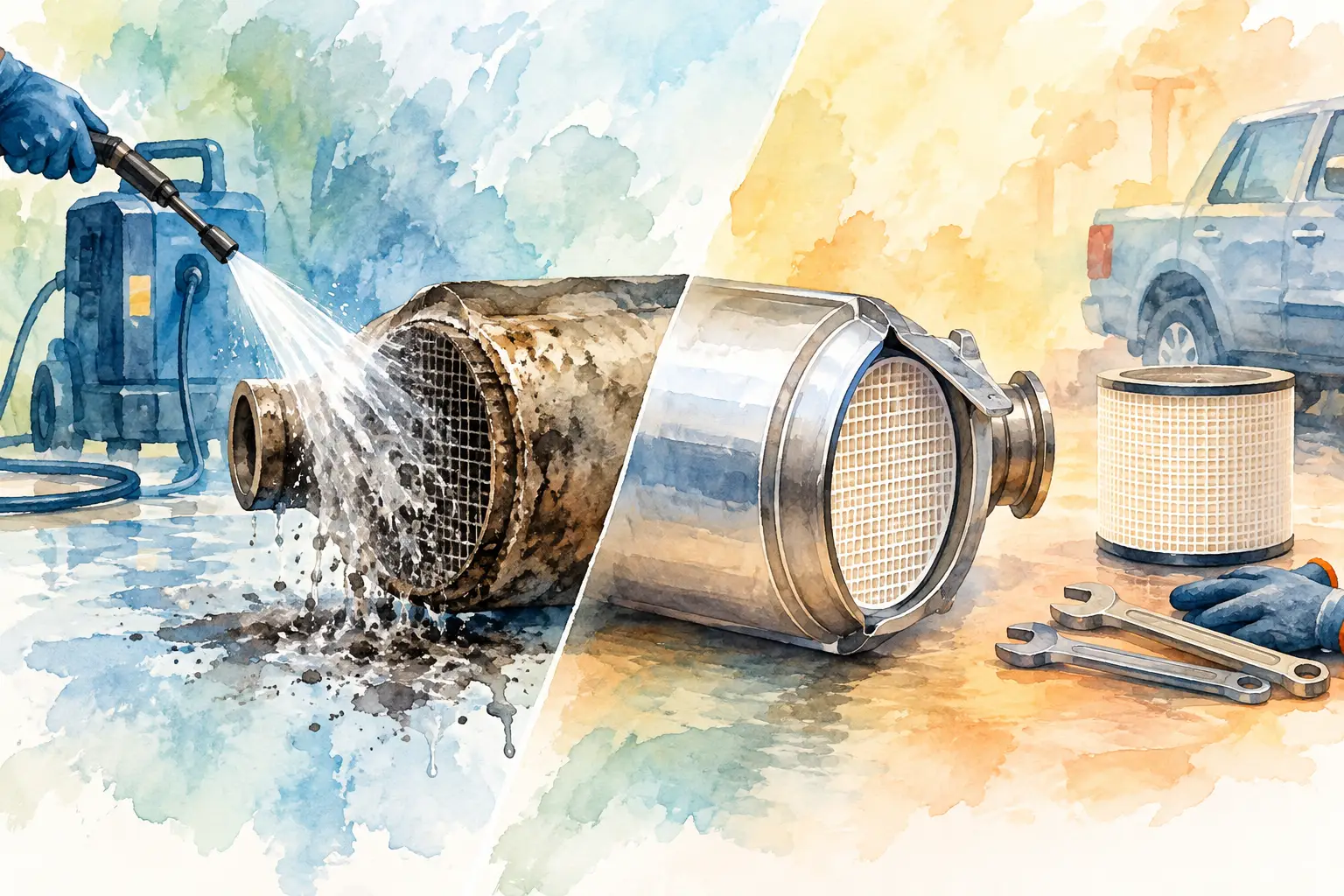
The same applies to after-treatment faults. A diesel particulate filter, EGR system, NOx sensor and exhaust temperature sensors work together. Repeated regeneration requests or derate conditions need proper investigation. Clearing the fault without correcting the reason for excessive soot loading, poor temperature readings or an air-flow problem often means the equipment will be back in derate shortly after returning to work.
When to Book Diagnostics Instead of Waiting
Some issues require immediate attention, especially a serious loss of power, overheating, abnormal oil-pressure warning, fuel leak, heavy smoke or an active engine derate. Continuing to operate in these conditions can cause engine damage, create a safety risk or leave a vehicle stranded where recovery is difficult.
Other symptoms can be less dramatic but still deserve prompt testing. Hard starting, rough idle, increased fuel use, intermittent warning lights, poor throttle response and frequent regeneration cycles are all signs that a system may be drifting outside normal operation.
For fleet managers, patterns matter. If two vehicles with similar duty cycles begin reporting the same emissions or electrical fault, that may point to a maintenance, fuel-quality or operating issue affecting more than one unit. Early diagnostics can prevent a repeat problem from spreading across the fleet.
Common Problems Found in Heavy Diesel Equipment
A diagnostic visit may uncover an electronic issue, a mechanical fault or a combination of both. Common areas include fuel-system restrictions and leaks, injector or pump performance concerns, turbocharger and charge-air faults, sensor failures, damaged wiring, battery or alternator problems, cooling-system faults and exhaust after-treatment issues.
Working conditions make a difference. Dust, vibration, mud, water exposure and long hours under load can affect connectors, hoses and harnesses. Agricultural machines may sit between seasons, while transport equipment accumulates kilometres quickly. Mining, civil and material-handling machinery often works in stop-start conditions that place extra demand on cooling, emissions and electrical systems.
The correct repair depends on the machine, fault history and duty cycle. A sensor replacement may be straightforward. A recurring fault may need a deeper inspection of the related system, including mechanical components that are not visible on a diagnostic scan.
The Value of Mobile Diagnostics
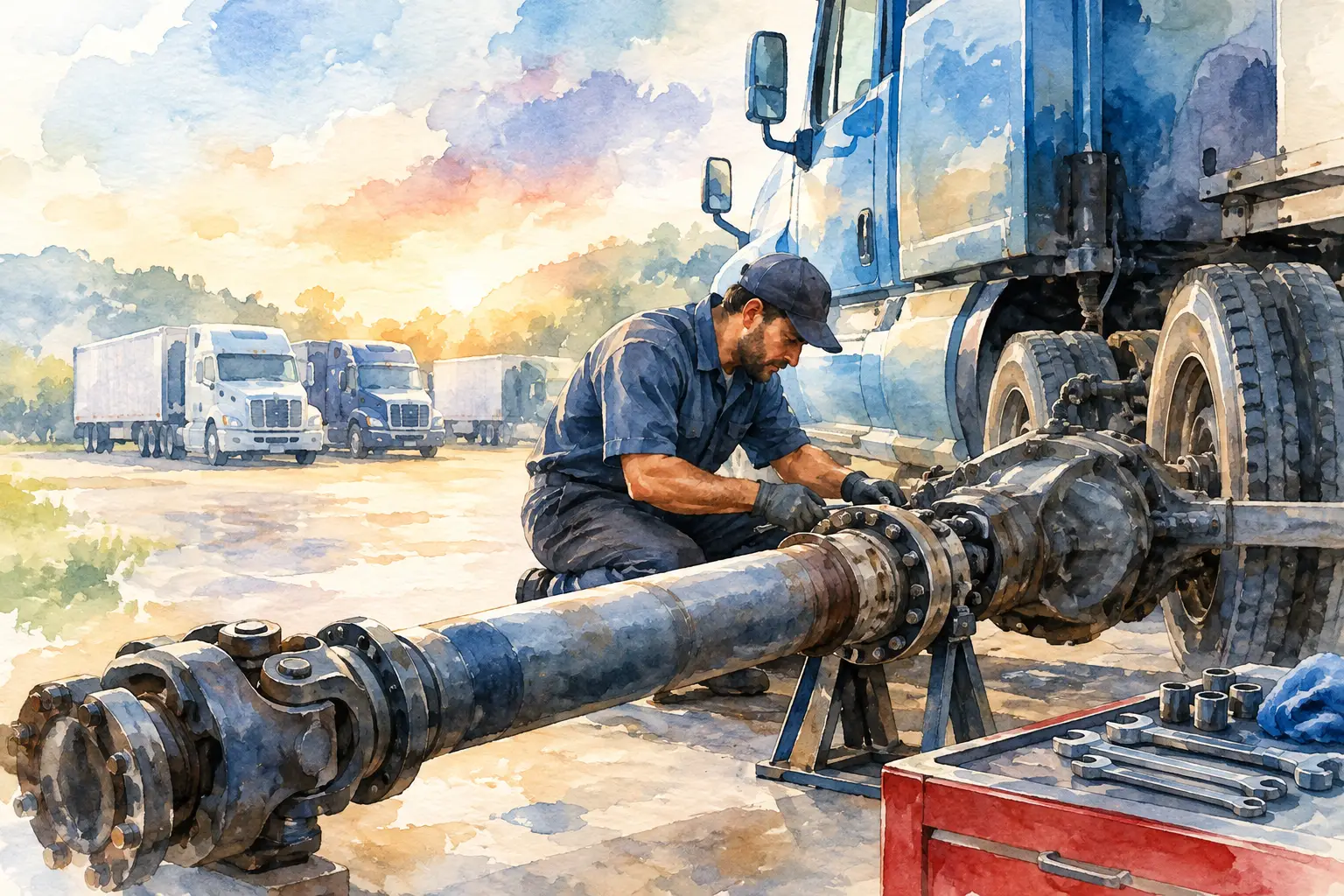
Moving a disabled truck, loader, tractor or forklift to a workshop can mean arranging transport, losing more operating hours and disrupting the site schedule. Mobile diagnostics bring workshop-quality testing to the roadside, farm, depot, industrial facility or worksite where the equipment has stopped.
This is particularly useful when a machine is immobilised or in a reduced-power mode. A field technician can assess the fault, check the surrounding systems and determine whether the repair can be completed on site or whether further workshop work is the sensible option. Not every job should be forced into a roadside fix. Major engine repairs, contamination events or work requiring controlled conditions may need a workshop plan, but a clear diagnosis helps make that decision quickly.
For mixed fleets, one capable provider can also assess the broader issue. A no-start condition may involve engine electronics, batteries, starter circuits, hydraulics or a mechanical failure. Coordinating those areas avoids the delay of calling separate trades to investigate the same breakdown.
What Good Diagnostics Should Deliver
A useful diagnosis gives operators more than a list of codes. It should explain the fault in practical terms, identify the checks carried out, outline the repair required and advise whether the equipment is safe to operate.
It should also account for the job the machine needs to do next. A light-duty vehicle with an intermittent sensor fault may be managed differently from a loaded truck, a harvest machine during a narrow weather window or a loader needed for a production shift. The repair decision should balance urgency, risk, parts availability and the consequences of further operation.
Where repairs are completed, post-repair testing is essential. Fault codes may need to be cleared, live data checked and the equipment run under suitable conditions to confirm normal operation. For emissions-related faults, that can mean verifying temperatures, pressures and regeneration performance rather than assuming the issue is resolved because the dashboard light has gone out.
Preventing the Next Breakdown
Diagnostics are most valuable when they feed into preventative maintenance. Recording recurring codes, replacing ageing hoses and wiring before failure, checking charging-system health and servicing fuel and air filtration on schedule can reduce unexpected call-outs.
Operators also play a role. Reporting a change in performance early, rather than waiting for a full derate or no-start condition, gives maintenance teams a better chance of completing repairs during planned downtime. A brief note about when the fault occurs – cold start, under load, after rain or during regeneration – can save diagnostic time.
Scheduled inspections are especially worthwhile for equipment operating remotely or during critical periods. The cost of checking a developing issue is generally far lower than a lost shift, a delayed delivery or a machine stopped in the paddock when conditions are right for work.
For operations across Sydney, Western Sydney and the Hunter Valley, Agri Repairs provides practical field support for diesel faults across trucks, agricultural machinery, heavy equipment and material-handling fleets. The focus is simple: find the cause, complete the right repair and get dependable equipment back to work.
If a warning light, power loss or repeated fault is affecting your operation, act while the problem is still manageable. A timely diagnostic check can protect the engine, improve safety and keep your equipment available when the job cannot wait.


 Location: Western Sydney and Hunter Valley, NSW
7 Comments
[…] are also part of modern fleet maintenance. Fault codes, sensor readings and electronic system behaviour can point to developing problems […]
[…] that can handle the practical jobs that keep a mixed fleet running: truck and trailer repairs, diesel engine diagnostics, hydraulic repairs, electrical fault-finding, servicing, fabrication and breakdown support. One […]
[…] can clog radiator cores, air filters and electrical connections. Mud and moisture can accelerate corrosion and contaminate lubricants. […]
[…] better assessment uses a crankcase pressure or blowby flow test. The correct procedure and acceptable reading depend […]
[…] Professional diagnostics narrow down the cause before parts are ordered or major repairs begin. For a truck that is down on power, the issue might be fuel supply, air intake restriction, turbo performance, exhaust after-treatment, sensor data or an internal engine fault. For a forklift with an intermittent electrical problem, it may be a damaged loom, poor earth, corroded connection or charging issue rather than the control unit itself. […]
[…] Good diagnostics combine scan-tool information with pressure testing, electrical checks, visual inspection and an understanding of how the machine is operating. This approach reduces repeat repairs and prevents unnecessary component replacement. It also matters when a fault is intermittent, such as a machine that only derates under load or loses a hydraulic function once it reaches operating temperature. […]
[…] Field diagnostics can identify many issues without immediately removing the machine from service. This may include electrical testing, fuel-system checks, cooling-system assessment, scan-tool diagnostics and inspection of turbocharger, intake and ancillary components. When an engine requires a rebuild, early diagnosis gives the operator a clear plan for recovery, repair scope and likely downtime. […]