

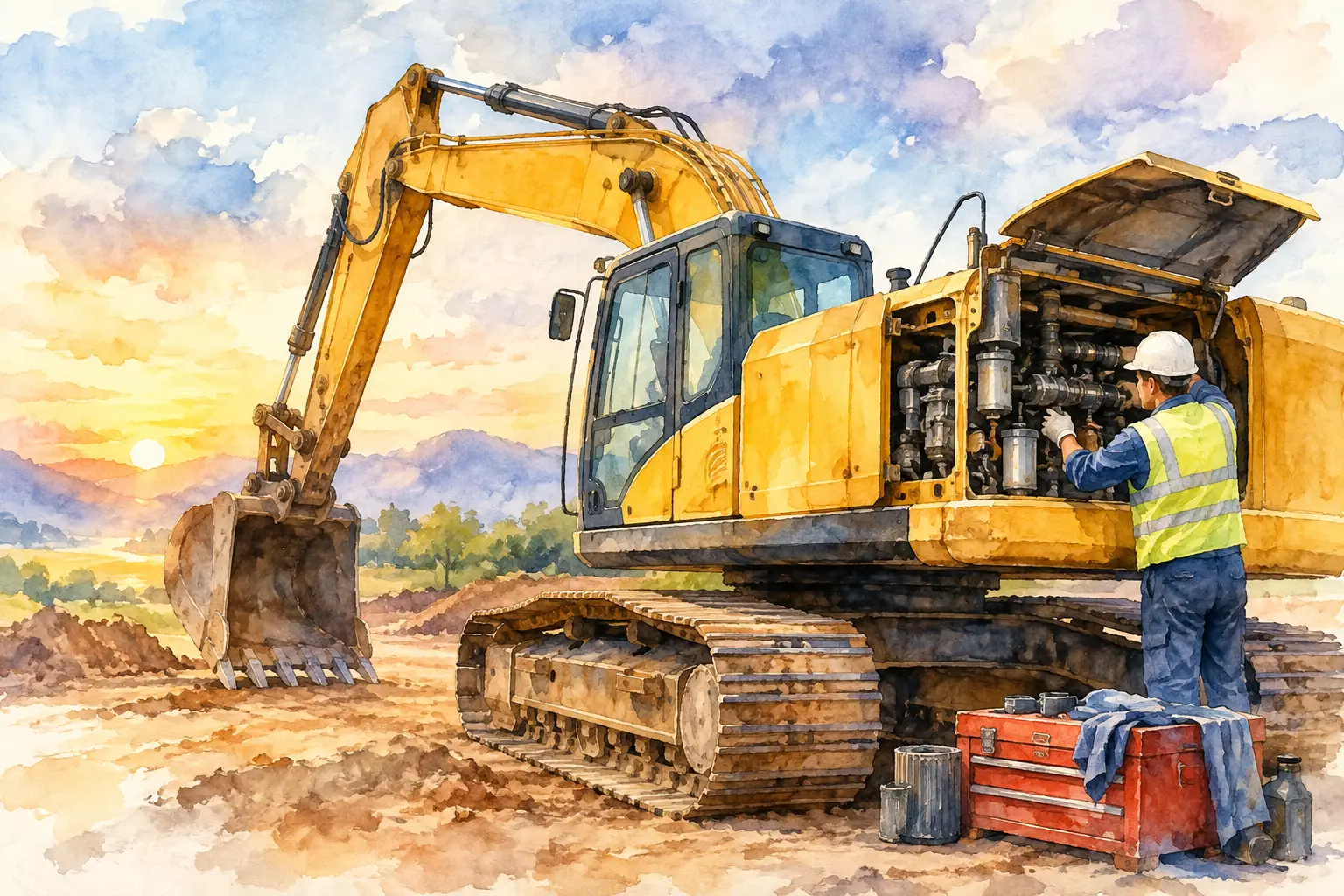
A machine does not usually stop without warning. A slow hydraulic function, a fresh oil mark under the carriage, extra play in the bucket, or an engine that cranks a little longer than normal can all be early signs of a bigger failure. Effective earthmoving equipment maintenance turns those signs into planned work before they become a stopped excavator, loader or dozer in the middle of a job.
For site supervisors, fleet managers and owner-operators, the goal is not simply to keep service records up to date. It is to keep productive hours high, people safe and repair costs predictable. That requires a maintenance routine matched to the machine, the operating environment and the work it is doing.
Why Earthmoving Equipment Maintenance Protects Production
The direct cost of a breakdown is rarely limited to the repair invoice. When a primary machine is down, operators may be waiting, trucks can be queued, crews may need to be redirected, and a programme can fall behind. If the failure involves steering, brakes, hydraulics or an attachment, it can also create a serious safety issue.
Earthmoving gear works under conditions that expose weak points quickly. Dust blocks cooling packs and air filters. Abrasive material wears pins, bushes and cutting edges. Rough haul roads affect tyres, suspension and chassis components. Long periods at high load place pressure on engines, transmissions and hydraulic systems. A service schedule based only on calendar dates can miss this reality.
Hours, fuel use, load cycles and site conditions should guide maintenance intervals. A loader working a clean hardstand may need different attention from one handling wet clay, demolition rubble or corrosive material. The manufacturer’s schedule remains the starting point, but a practical plan accounts for what the machine actually faces each shift.
Start Every Shift With a Proper Inspection
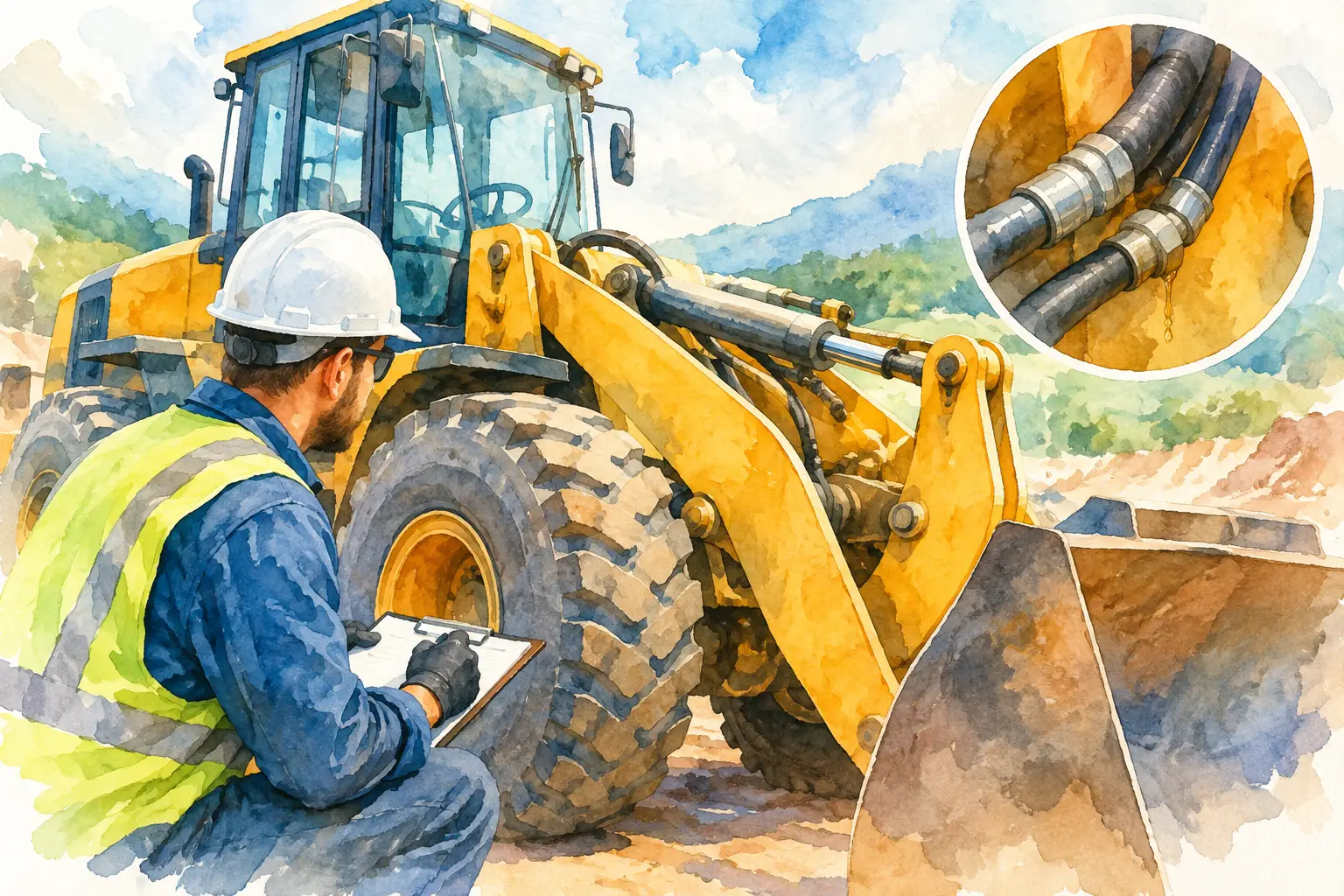
A pre-start should be more than a quick walk past while the machine warms up. It is the most affordable opportunity to find leaks, damage and wear before they affect the job. Operators are closest to the equipment and often spot changes first, provided there is a clear process for reporting them.
A useful daily inspection covers four areas:
- Fluid levels and visible leaks around the engine, hydraulics, transmission, final drives and cooling system.
- Tracks, tyres, undercarriage, cutting edges, buckets, couplers and attachment pins for wear or damage.
- Lights, alarms, cameras, mirrors, seatbelts, brakes, steering and emergency controls.
- Hoses, wiring, guards, grease points and the general condition of the work area around the machine.
The inspection needs to lead somewhere. A note such as “hydraulic leak” is less useful than identifying the location, severity and machine hours. Small defects should be logged and scheduled. Anything affecting safe operation needs to be assessed before the machine returns to work.
Operators should also report changes while working: reduced breakout force, a hydraulic drift, unusual vibration, overheating, warning lights or an increase in fuel consumption. These details help a technician diagnose the cause faster instead of replacing parts by guesswork.
Keep Fluids Clean and Cooling Systems Working
Contaminated oil is one of the fastest ways to shorten the life of expensive components. Hydraulic pumps, injectors, transmissions and final drives rely on correct fluid specification and clean filtration. Using the wrong oil, mixing products without approval or stretching filter changes to save a service visit can create a much larger bill later.
Check fluid samples and change intervals against operating hours and manufacturer requirements. On high-hour fleets, oil analysis can identify abnormal wear metals, fuel dilution, coolant contamination or dust ingress before a component fails. It is not necessary for every small machine on every service, but it is valuable where an engine, hydraulic pump or transmission failure would cause major downtime.
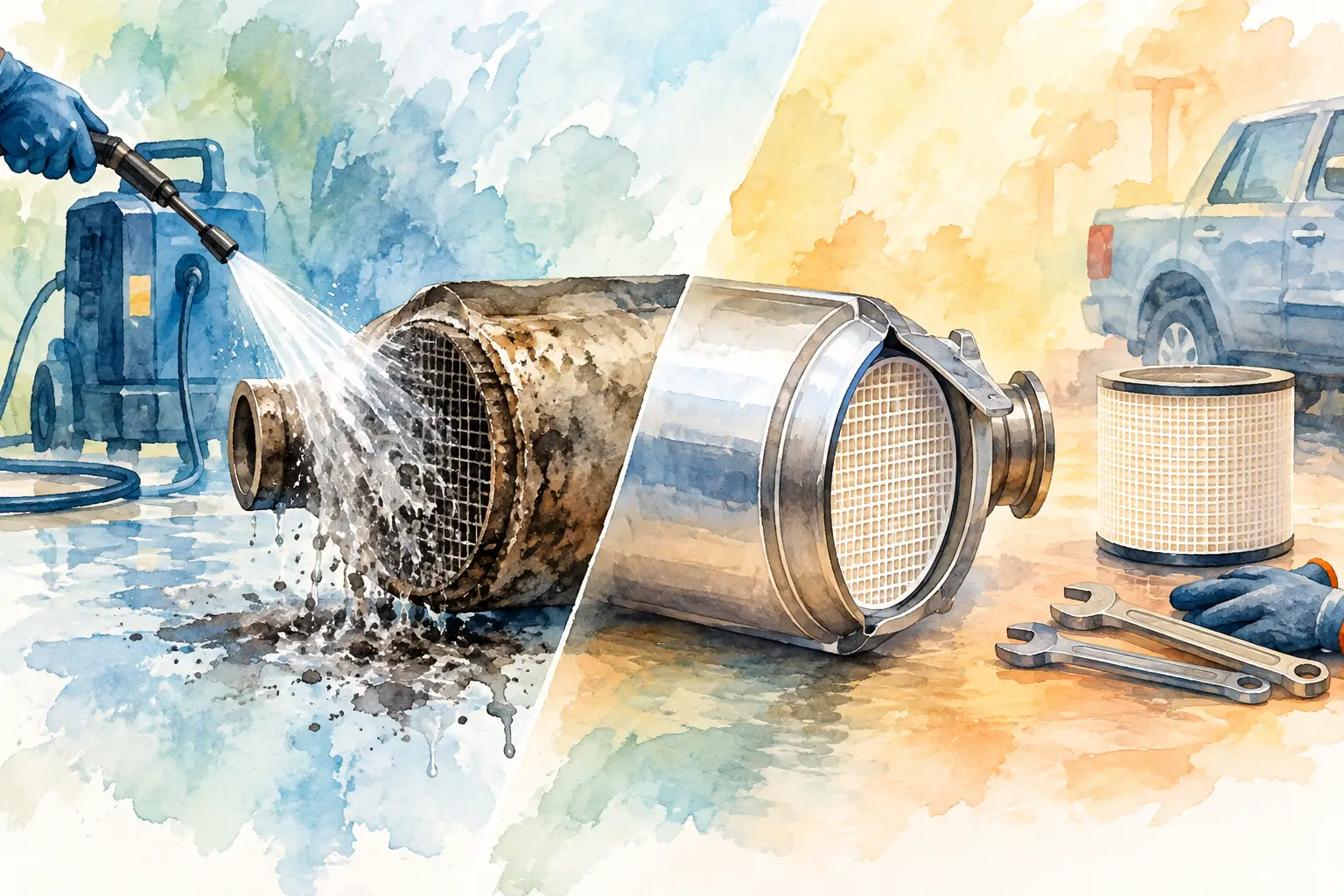
Cooling deserves the same attention. Radiators, charge-air coolers and oil coolers collect dust, grass seed, chaff and mud, particularly in agricultural and civil work. A blocked cooling pack may not cause an immediate shutdown, but repeated heat cycles can damage hoses, seals, turbochargers and engine components. Clean the pack correctly, inspect the fan and belts, test coolant concentration, and investigate any recurring temperature rise rather than topping up and carrying on.
Do Not Let Undercarriage Wear Get Ahead of You
For tracked machines, undercarriage can represent a substantial share of lifetime operating cost. Track chains, rollers, idlers, sprockets and shoes wear as a system. Leaving track tension too loose can increase derailment risk; running it too tight accelerates wear and raises load on components.
Regular measurement gives you a better basis for decisions than visual judgement alone. Monitor chain wear, roller condition, sprocket profile and track tension at planned intervals. Keep material from building up around the undercarriage, especially in wet clay or quarry applications where packed debris adds load and hides damage.
Tyred loaders, graders and articulated dump trucks need the same discipline in a different form. Check pressures when tyres are cold, inspect sidewalls and tread, and address wheel damage or uneven wear early. Tyre selection also matters. A tyre suited to hard rock may trade ride comfort for durability, while an all-purpose pattern may not last on a sharp, abrasive site.
Greasing Is a Small Job With Big Consequences
Pins and bushes carry high loads every working day. Missed lubrication increases friction, creates movement in the linkage and eventually turns a routine pin-and-bush job into a more involved line-boring or component replacement repair.
Grease points need to be serviced at the interval specified for the machine and its attachments, with the correct grease and enough application to purge contamination where appropriate. Automatic greasing systems help on busy fleets, but they still need inspection. A blocked line or empty reservoir can give a false sense that the job is being done.
Pay particular attention to bucket linkages, boom and stick pins, quick hitches, blade pivots, articulation joints and steering components. If grease will not take, do not ignore it. The blocked nipple, damaged line or seized pin should be repaired before wear compounds.
Use Diagnostics Before Parts Replacement
Modern earthmoving equipment relies on electronic controls as well as mechanical systems. A fault code is useful, but it is not always the failed part. Low voltage, damaged wiring, contaminated connectors, poor sensor signals and hydraulic pressure faults can all trigger similar warnings.
Good diagnostics combine scan-tool information with pressure testing, electrical checks, visual inspection and an understanding of how the machine is operating. This approach reduces repeat repairs and prevents unnecessary component replacement. It also matters when a fault is intermittent, such as a machine that only derates under load or loses a hydraulic function once it reaches operating temperature.
When arranging a repair, provide the machine model, serial number, hour meter reading, fault codes, recent work completed and a clear description of the symptoms. That preparation helps a field technician arrive with the right information, tools and likely parts, which can shorten time on site.
Plan Services Around Work, Not Just the Workshop
A planned service should be booked before a machine is due, not once it is overdue. Coordinate servicing with rain days, shift changes, low-production periods or equipment rotations where possible. For mixed fleets, group equipment at one location to reduce travel time and make inspections more efficient.
There is a trade-off. Taking a machine out of service for preventative work can feel inconvenient when the job is busy. But delaying a known issue until a major component fails usually removes your choice about timing. A planned repair allows time to source parts, organise access and maintain safe production. A breakdown rarely does.
Keep service records that show hours, work performed, fluids used, defects found and parts replaced. Over time, this information helps identify recurring faults, set realistic replacement budgets and decide whether a machine is still earning its keep. It also supports safer fleet management when equipment changes hands or moves between projects.
Mobile Support When the Machine Cannot Come In
Earthmoving equipment is not always practical to transport to a workshop, particularly when it is disabled on a remote farm, roadside or active civil site. Mobile mechanical support can bring workshop-quality diagnostics, hydraulic repairs, electrical fault-finding and scheduled servicing to the machine, avoiding unnecessary float costs and delays.
For operations across Western Sydney, the Hunter Valley and surrounding New South Wales work sites, Agri Repairs provides field-based support for heavy equipment and mixed fleets. The priority is straightforward: identify the fault properly, complete reliable repairs and return equipment to service safely.
The best maintenance result is often invisible. The excavator starts at first light, the loader completes the shift, and the job keeps moving because a small issue was dealt with when it was still small. Build that discipline into every pre-start, service interval and repair decision, and your equipment is far more likely to be ready when the work cannot wait.

 Location: Western Sydney and Hunter Valley, NSW
1 Comment
[…] site tanks, bowsers and transfer equipment as part of the maintenance plan. Tank caps and seals should be intact, breathers should be clean, […]