


A loader that loses hydraulic pressure halfway through a shift, a truck that will not start at 4 am, or a tractor parked in the paddock during a narrow harvest window all create the same problem: unplanned downtime. Predictive maintenance gives operators a better chance of finding the warning signs early, planning the repair properly and keeping productive equipment on the job.
For fleets working across transport, agriculture, civil construction, mining and materials handling, the aim is not to replace practical servicing with data. It is to use operating information, inspections and mechanical experience to make better repair decisions before a small fault becomes a roadside recovery, missed delivery or safety incident.
What Predictive Maintenance Means in Practice
Predictive maintenance is a condition-based approach to maintenance. Rather than servicing or replacing every component strictly on a calendar date, the maintenance team looks for evidence that a component is starting to deteriorate. That evidence may come from fault codes, oil samples, temperature readings, pressure tests, vibration trends, battery test results or an experienced technician identifying an unusual noise, leak or change in performance.
The key word is predictive, not perfect. No system can guarantee when a bearing, hose, sensor or engine component will fail. What it can do is show that a machine is operating outside its normal condition and needs attention before the risk becomes unacceptable.
This sits alongside scheduled preventative servicing, not in place of it. Oil and filter changes, grease schedules, brake inspections and safety checks still need to happen at the required intervals. Predictive work helps determine where to focus additional attention and when a planned repair makes more commercial sense than waiting for a breakdown.
Why Heavy Equipment Needs a Different Approach
Heavy diesel equipment operates under loads and conditions that change from one job to the next. A prime mover on regular highway runs has different stress points from a forklift in a warehouse, an excavator working dusty ground or a tractor towing implements through harvest. Hours alone do not always tell the full story.
A machine may accumulate fewer hours while working harder, carrying heavier loads, idling for long periods or operating in heat, dust, mud and vibration. Those conditions affect engine oil, cooling systems, hydraulics, electrical connections, tyres, brakes and driveline components differently.
That is why fleet records matter. When a technician can see recent repairs, service history, recurring fault codes and operator reports, they can compare what the machine is doing now with what is normal for that asset. A repeat fault is rarely just bad luck. It may point to a wiring issue, contamination, incorrect adjustment, a failing component upstream or an operating condition that needs to be addressed.
The Warning Signs Worth Acting On
Predictive maintenance starts with noticing changes before they become failures. Operators are often the first line of defence because they know how their own equipment normally sounds, pulls, steers and responds.
A gradual increase in engine temperature, a hydraulic function that becomes slower under load, excessive regens, hard starting, repeated low-voltage warnings or more frequent coolant top-ups all deserve investigation. So do oil leaks that keep returning, abnormal tyre wear, brake pull, vibration through the driveline and trailer lighting faults that appear intermittently.
Not every warning requires an immediate strip-down. A minor fault code may be caused by a loose connector, while a single high temperature reading may result from a blocked radiator pack. The value comes from checking the evidence, confirming the cause and deciding whether the equipment can safely stay in service until a planned repair window.
Using Data Without Losing the Mechanical Basics
Telematics and machine monitoring systems can be useful tools for larger fleets. They can flag engine hours, idle time, fault codes, fuel use, high temperatures and service intervals without waiting for the machine to return to base. This is particularly useful when trucks, farm machinery and plant are spread across multiple sites.
But data only helps when someone reviews it and understands the equipment. A dashboard alert does not repair a split hydraulic hose, identify poor wiring at a sensor plug or confirm why an engine is derating. It still takes proper diagnostics, visual inspection and testing to turn a warning into a reliable repair plan.
For smaller fleets, predictive maintenance does not need an expensive monitoring platform. Good daily pre-starts, accurate hour and kilometre records, clear defect reporting, fluid sampling where appropriate and regular inspections can provide enough information to spot developing problems. Consistency is more valuable than collecting figures no one has time to use.
Oil, cooling and hydraulics tell a story
Fluid condition is one of the strongest indicators of internal equipment health. Engine oil analysis can identify wear metals, soot, fuel dilution and coolant contamination before the damage becomes obvious. Coolant testing can reveal poor additive levels or contamination that may lead to corrosion and overheating.
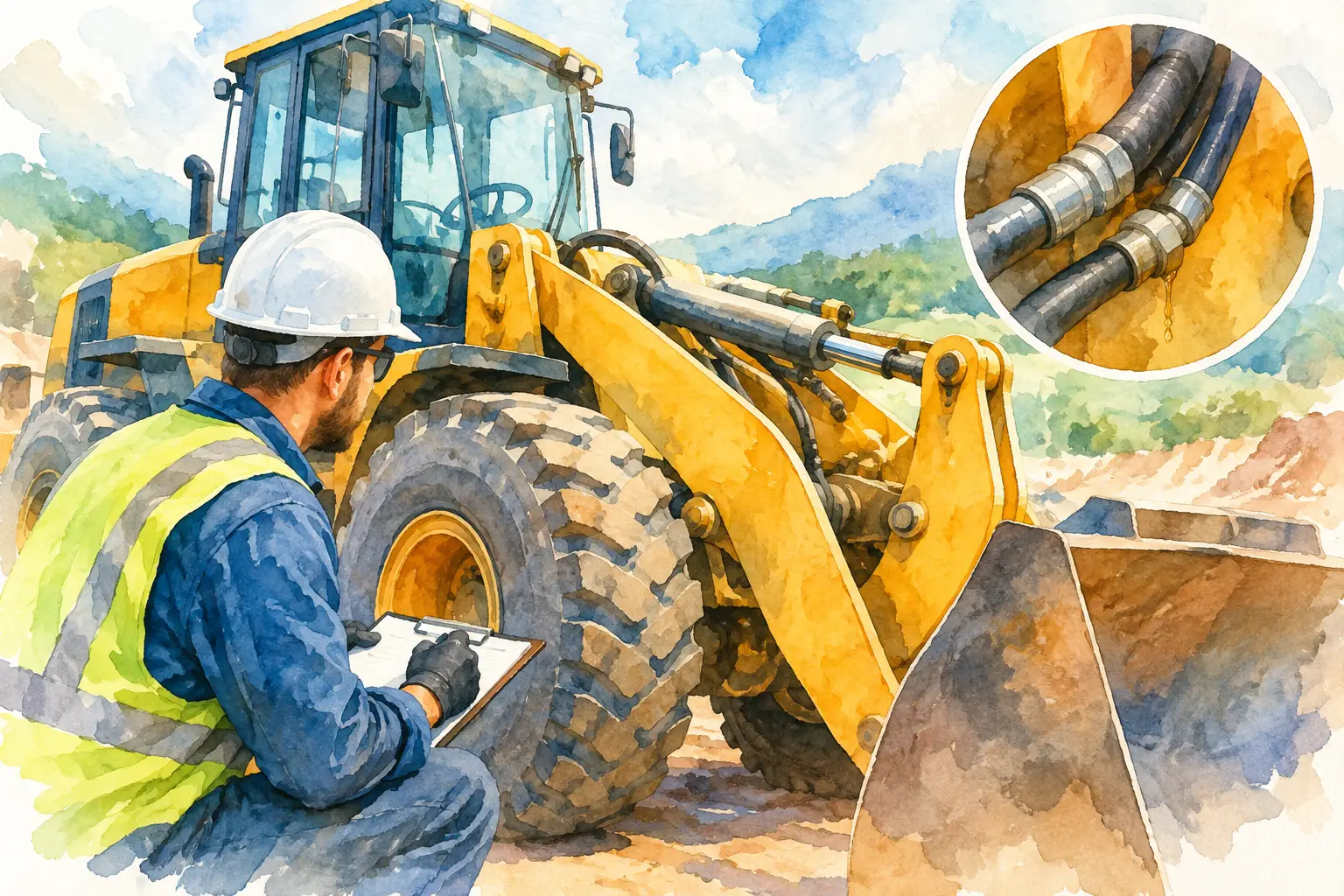
Hydraulic oil needs the same attention on plant, agricultural machinery and forklifts. Dirty oil, water contamination or unusual metal particles can shorten the life of pumps, valves and cylinders. Finding contamination early may mean a flush, filter change or targeted repair. Leaving it can turn into a far more costly hydraulic failure.
Electrical faults need methodical testing
Modern heavy equipment relies on sensors, controllers and wiring as much as mechanical parts. A weak battery, corroded earth, damaged harness or poor connection can create fault codes that look far more serious than the actual issue.
Replacing parts based on codes alone is an expensive gamble. Testing voltage supply, grounds, wiring integrity and live data helps isolate the fault and avoids unnecessary downtime. It also reduces the chance of a truck or machine returning to work only to fail again on the next shift.
Building a Predictive Maintenance Routine
The best routine is one your crew can actually follow. It should match the equipment, work environment, service requirements and consequences of failure. A machine that is easy to substitute may be managed differently from a critical truck, loader or harvest machine with no backup available.
Start by identifying the assets that cause the greatest disruption when they stop. Review breakdown records from the past 12 months and look for repeat repairs, high-cost failures and jobs that caused lost production or recovery costs. These are usually the best places to introduce condition checks first.
Then set clear triggers for action. For example, a cooling system pressure issue, metal found in an oil sample, repeated active fault codes or a measurable drop in hydraulic performance should create a work order rather than sit in a notes field. The response may be an inspection, further testing, a booked repair or taking the asset out of service, depending on the risk.
Keep operator reporting simple. A detailed digital checklist is useful only if it is completed honestly and reviewed. Give operators a clear path to report defects, include photos where practical and make sure they know what happened after reporting an issue. When reports lead to prompt action, people are more likely to raise faults early.
When Planned Repairs Save More Than They Cost
There is always a balance. Taking equipment offline for an inspection or repair costs time, and replacing a component before total failure can feel premature. Yet waiting has its own cost: call-out fees, recovery, damaged loads, missed deadlines, overtime, secondary component damage and safety exposure.
The right decision depends on the condition of the asset and the job ahead. A minor seep on a machine with a spare available may be monitored and repaired at the next service. A hydraulic leak near hot surfaces, a cracked brake component or an engine fault causing derate on a critical truck needs a faster response.
Planned repairs are also easier to organise. Parts can be sourced, labour can be booked and the work can be completed during a quieter period instead of in poor weather, at the roadside or after hours. For field-based operations, mobile workshop support can bring diagnostics, tools and repair capability to the farm, depot or worksite, reducing the delay of transporting disabled equipment.
Make Uptime a Shared Responsibility
Predictive maintenance works best when operators, supervisors and technicians share information rather than treating defects as someone else’s problem. The operator notices the change. The supervisor protects time for inspection. The technician diagnoses the cause and records the repair. Fleet management uses those records to prevent the same issue from recurring.
Agri Repairs supports this approach with workshop-quality diagnostics and field repairs for heavy diesel equipment across Western Sydney and beyond. The practical goal is straightforward: identify faults earlier, make the right repair the first time and keep Australia moving.
The next useful step is not buying more technology. It is reviewing the last breakdown that cost your operation the most, asking what warning signs were present, and putting one check in place that helps prevent a repeat.


 Location: Western Sydney and Hunter Valley, NSW