

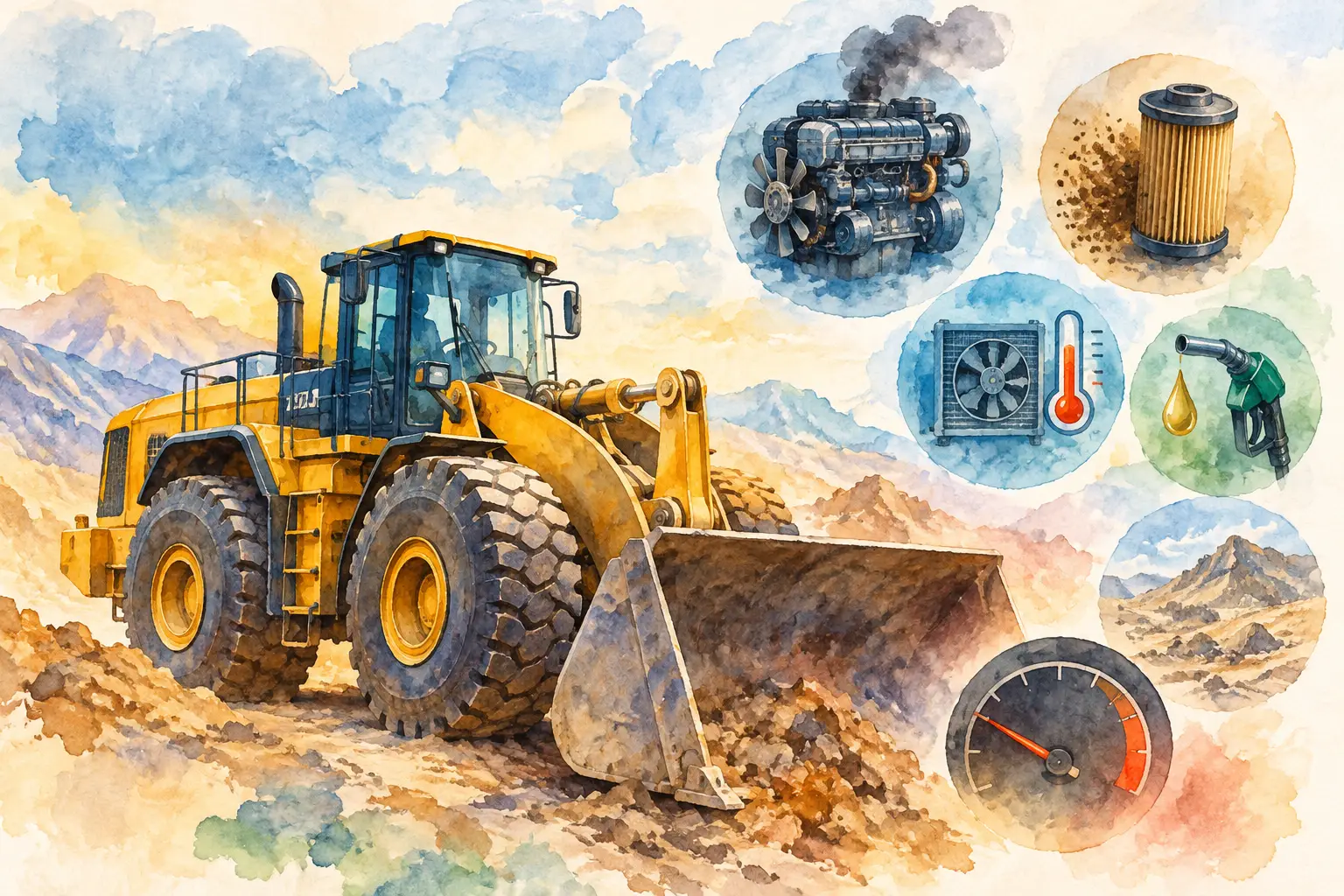
A loaded truck that suddenly will not pull, an excavator that loses hydraulic response, or a tractor stuck at reduced revs can all raise the same question: what causes diesel derating? In most cases, the engine control module has detected a condition that could damage the engine, exhaust system or driveline. It deliberately limits power to protect the machine. The safeguard is useful, but it can bring a productive day to a stop.
Derating is not a fault on its own. It is the engine’s response to a fault, a reading outside its safe operating range, or a system that can no longer meet emissions and performance requirements. The quickest way back to work is to diagnose the underlying cause rather than clearing codes and hoping the issue stays away.
What diesel derating looks like on site
A derated engine may start and idle normally but feel flat under load. It might be limited to a certain speed or RPM, refuse to regenerate, display a warning light, or enter a more severe limp-home mode. On newer trucks and off-highway machinery, the dash may show messages relating to engine power reduction, exhaust filter loading, DEF quality, SCR efficiency or high coolant temperature.
The symptoms can vary by manufacturer and model. A machine with a minor sensor fault may retain enough power to move to a safe location. An engine reporting low oil pressure, critical overheating or a serious emissions-system failure may have much tighter limits. Continuing to work a derated machine hard is rarely the answer. It can turn a manageable repair into an engine, turbocharger or aftertreatment replacement.
Common causes of diesel derating
Blocked DPF and failed regeneration
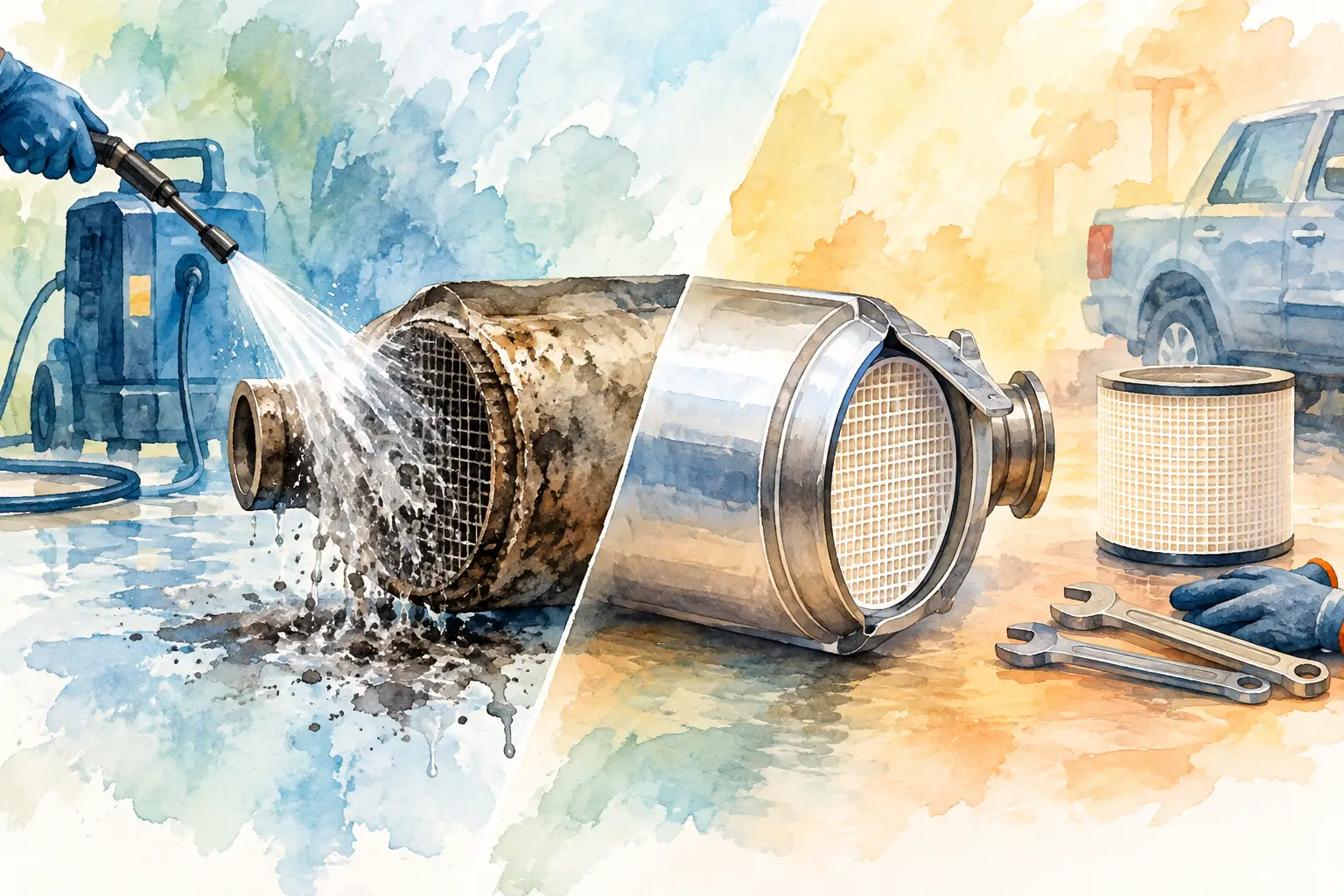
The diesel particulate filter, or DPF, captures soot from the exhaust. It must periodically burn that soot away through a regeneration cycle. Short runs, prolonged idling, low-load work and interrupted regens can allow soot loading to build until the engine control system restricts power.
A blocked DPF is not always caused by the filter itself. Faulty exhaust temperature sensors, a failed differential pressure sensor, poor injector performance, boost leaks or excessive oil consumption can all contribute to abnormal soot production or prevent a successful regeneration. Forcing repeated regens without identifying the cause may provide temporary relief, but it does not solve why the filter loaded up.
DEF, AdBlue and SCR faults
Most late-model diesel equipment relies on selective catalytic reduction, or SCR, to control NOx emissions. The system uses diesel exhaust fluid, commonly called AdBlue, along with a dosing injector, pump, heater lines, sensors and catalyst. If the control module cannot confirm the system is working correctly, it may begin a staged power derate.
Common problems include contaminated or incorrect DEF, crystallisation around the dosing injector, a failed pump, blocked lines, electrical faults, poor-quality sensors and damaged wiring. DEF also has a shelf life and can be affected by heat and contamination. Topping up with fluid from an unclean container can cause a problem that only becomes obvious once the machine is under operating conditions.
Cooling-system problems and overheating
High coolant temperature is one of the most direct triggers for derating. The engine reduces available power because extra load creates more heat, and sustained overheating can damage head gaskets, cylinder heads, liners and turbochargers.
The obvious causes are low coolant, a leaking hose, a failed water pump, thermostat or viscous fan. In dusty agricultural, quarry and civil environments, blocked radiator, charge-air cooler and hydraulic cooler cores are just as common. A cooling pack can look acceptable from the outside while being packed with fine dust, chaff or debris between the cores. Cleaning needs to be done correctly so fins are not bent and contamination is not driven deeper into the stack.
Low oil pressure or oil-condition faults
Oil pressure and oil level are critical engine-protection inputs. A genuine low-pressure event may point to low oil, the wrong oil grade, a clogged filter, a failing oil pump, bearing wear or internal damage. The control module may derate quickly because continued operation risks major engine failure.
There is also a diagnostic distinction to make. A faulty oil pressure sensor or damaged harness can report a low reading when mechanical pressure is sound. That is why professional diagnosis should compare scan-tool data with mechanical checks where required. Replacing parts based only on a dash warning can waste time and money.
Fuel supply and fuel-quality issues
A diesel engine needs clean fuel delivered at the correct pressure and volume. Restricted filters, water contamination, blocked tank breathers, air leaks on the suction side, failing lift pumps and high-pressure fuel-system faults can all reduce power. Depending on the system, the engine may log a fuel-rail pressure code and limit torque to prevent poor combustion or component damage.
Water in fuel is especially hard on modern common-rail systems. It can damage injectors and high-pressure pumps, spreading metal contamination through the fuel system. If a water-in-fuel warning appears, treat it as an urgent maintenance item rather than something to check at the next service.
Air intake, turbocharger and boost faults
A restricted air filter, split intercooler hose, loose clamp, leaking charge-air cooler or variable-geometry turbo fault can all leave the engine short of boost. The control module compares expected boost pressure with actual readings. If they do not agree, it can derate the engine to protect it from over-fuelling, excessive exhaust temperature or turbo damage.
These faults are often most noticeable on hills or when a machine is working into a pile. Black smoke, unusual turbo noise, oil residue around boost pipes and a sudden loss of pulling power are useful clues, but they are not a complete diagnosis. A pressure test and live data provide a much clearer answer.
Electrical, sensor and wiring faults
Modern diesel engines are heavily dependent on accurate sensor inputs. A failed NOx sensor, exhaust gas temperature sensor, coolant sensor, crank or cam sensor, boost sensor, throttle-position sensor, or pressure sensor can trigger a derate. So can rubbed-through wiring, poor earths, water entry into connectors and low system voltage.
Field equipment works in harsh conditions. Vibration, heat, mud, wash-downs and rodent damage all take a toll on harnesses. Intermittent electrical faults can be particularly frustrating because the machine may run normally in the yard and derate only after vibration, heat or load is introduced. Recording fault codes and operating conditions before they are cleared helps narrow the diagnosis.
Why fault codes are only the starting point
Diagnostic codes tell a technician which circuit or operating condition the control module considers abnormal. They do not always identify the failed part. For example, an exhaust temperature code could be caused by the sensor, its wiring, a connector issue, an exhaust leak or an operating condition that genuinely created an abnormal temperature.
A proper assessment combines codes with live data, visual inspection, fluid checks and targeted testing. On a truck, that may include checking fuel pressure, boost leaks and aftertreatment readings. On an excavator, loader or tractor, it may also mean looking at cooling-pack condition, hydraulic load, wiring routes and the work cycle that caused the fault. This approach avoids fitting expensive components that were never the problem.
Can you keep working with a derated engine?
It depends on the warning, the severity of the derate and whether the machine can be moved safely. A controlled low-power mode may allow a truck or machine to be taken out of traffic, away from a live work area or back to a service point. It should not be treated as permission to complete a full shift.
Stop the machine promptly if there is low oil pressure, severe overheating, smoke, knocking, fuel leaks, a major loss of coolant or any warning that indicates engine damage is possible. Do not repeatedly cycle the key to make warnings disappear. That can erase useful information and delay an accurate repair.
For emissions-related warnings, act before a countdown or severe inducement occurs. Many systems progressively limit speed, torque or restart capability if an SCR or DPF issue is left unresolved. Early diagnosis is usually faster than recovering equipment that can no longer travel under its own power.
Reducing derating-related downtime
Preventative maintenance remains the most practical defence. Use the correct engine oil and service intervals, drain water separators, replace fuel and air filters on schedule, inspect cooling packs, and keep DEF handling equipment clean. Operators should also be encouraged to report early warning messages and changes in performance rather than waiting for a breakdown.
Machines that spend most of their time idling, doing short runs or working lightly may need a planned operating period that allows the exhaust system to reach regeneration conditions. The right approach depends on the machine, its duty cycle and manufacturer requirements. An unnecessary parked regeneration carries heat and fire risks, particularly around dry grass, crop residue or combustible materials, so it must be carried out in a suitable area and under the correct procedure.
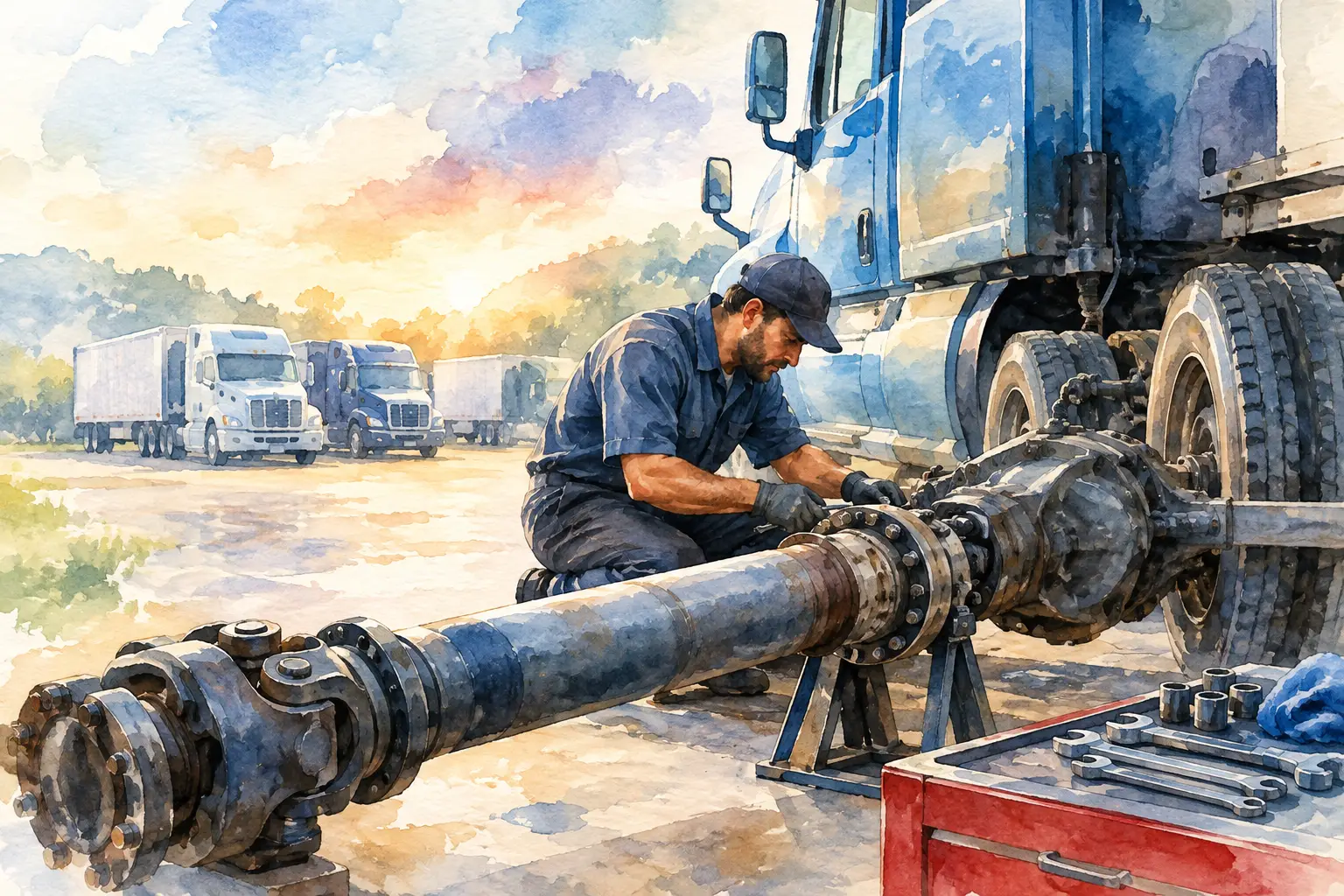
When power drops, fast and reliable diagnostics matter more than guesswork. Agri Repairs provides workshop-quality mobile diesel diagnostics and repairs for trucks, agricultural machinery and heavy equipment, helping operators across demanding worksites find the cause and get equipment safely back to work.
A derate is the machine asking for attention before a small fault becomes expensive downtime. Capture the warning details, protect the equipment from further damage and have the underlying issue properly tested while the evidence is still there.


 Location: Western Sydney and Hunter Valley, NSW